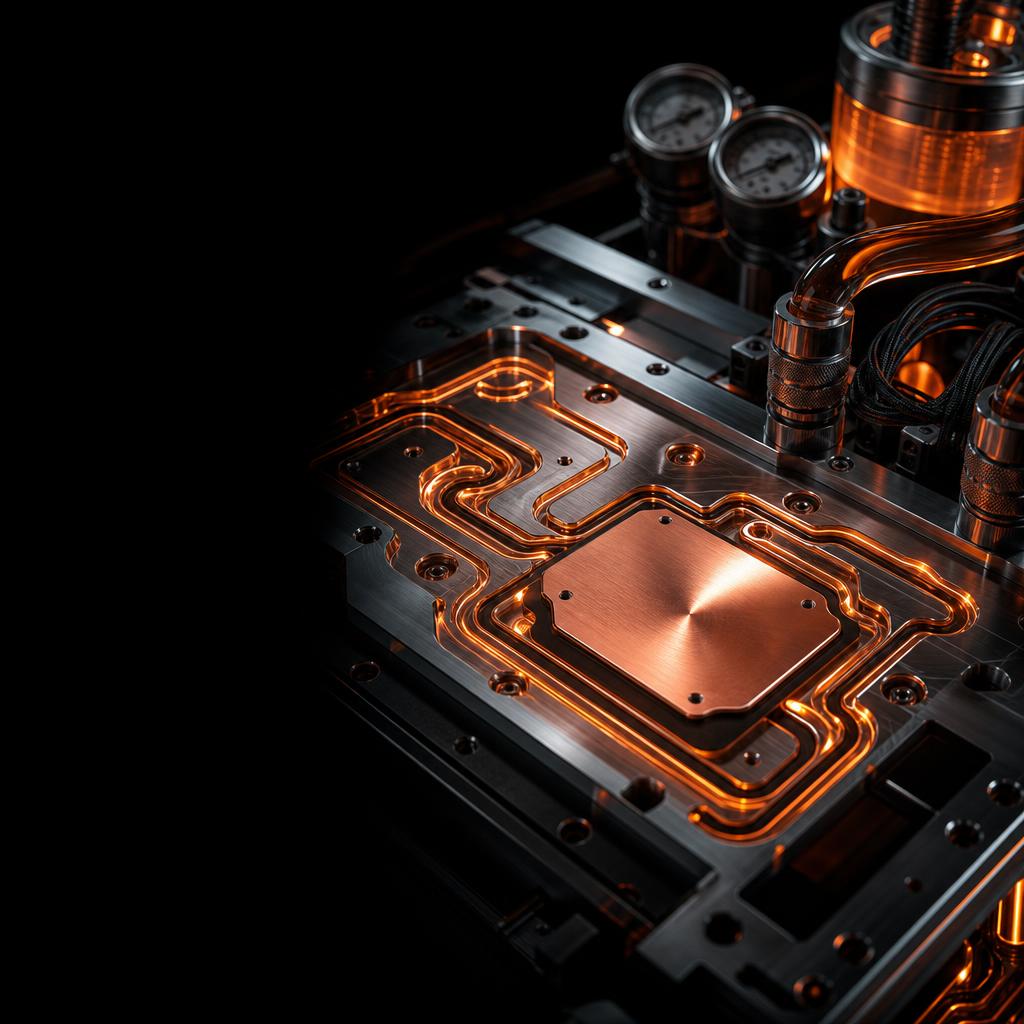
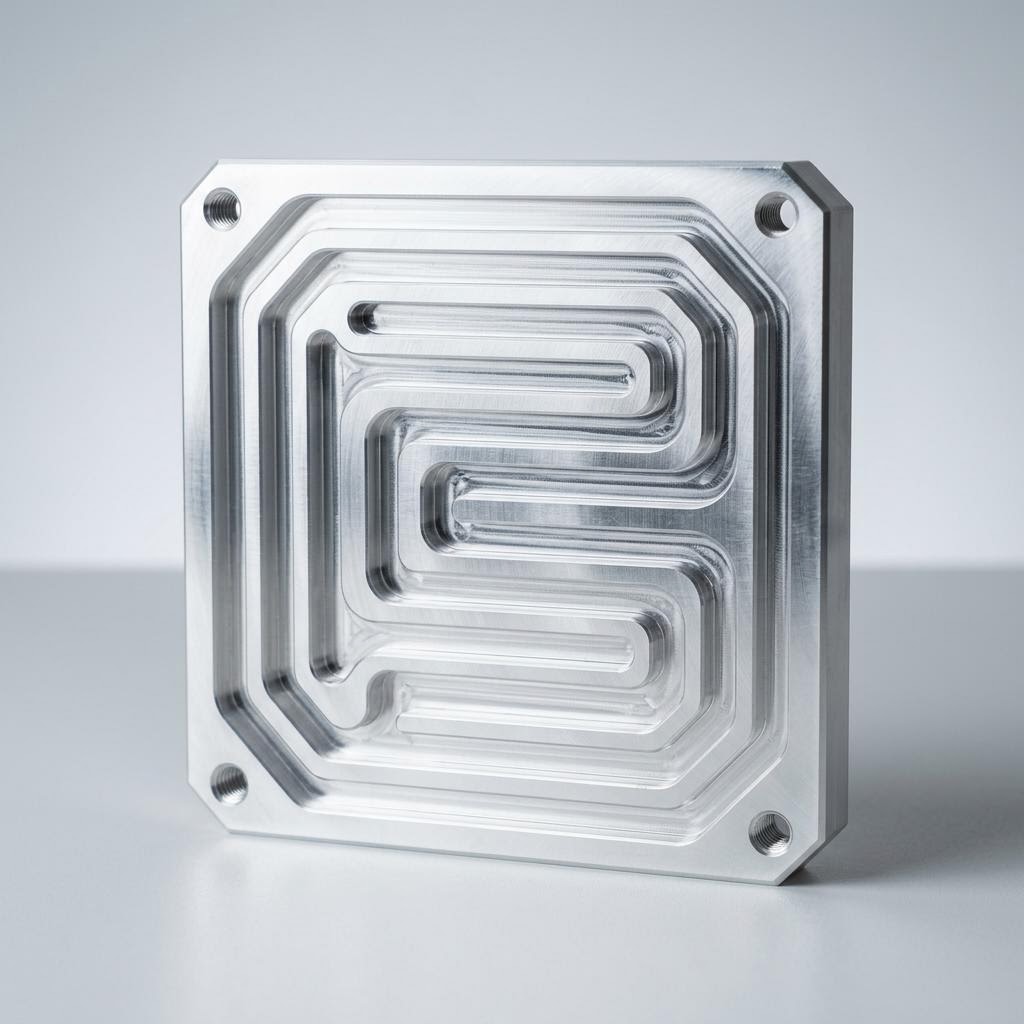
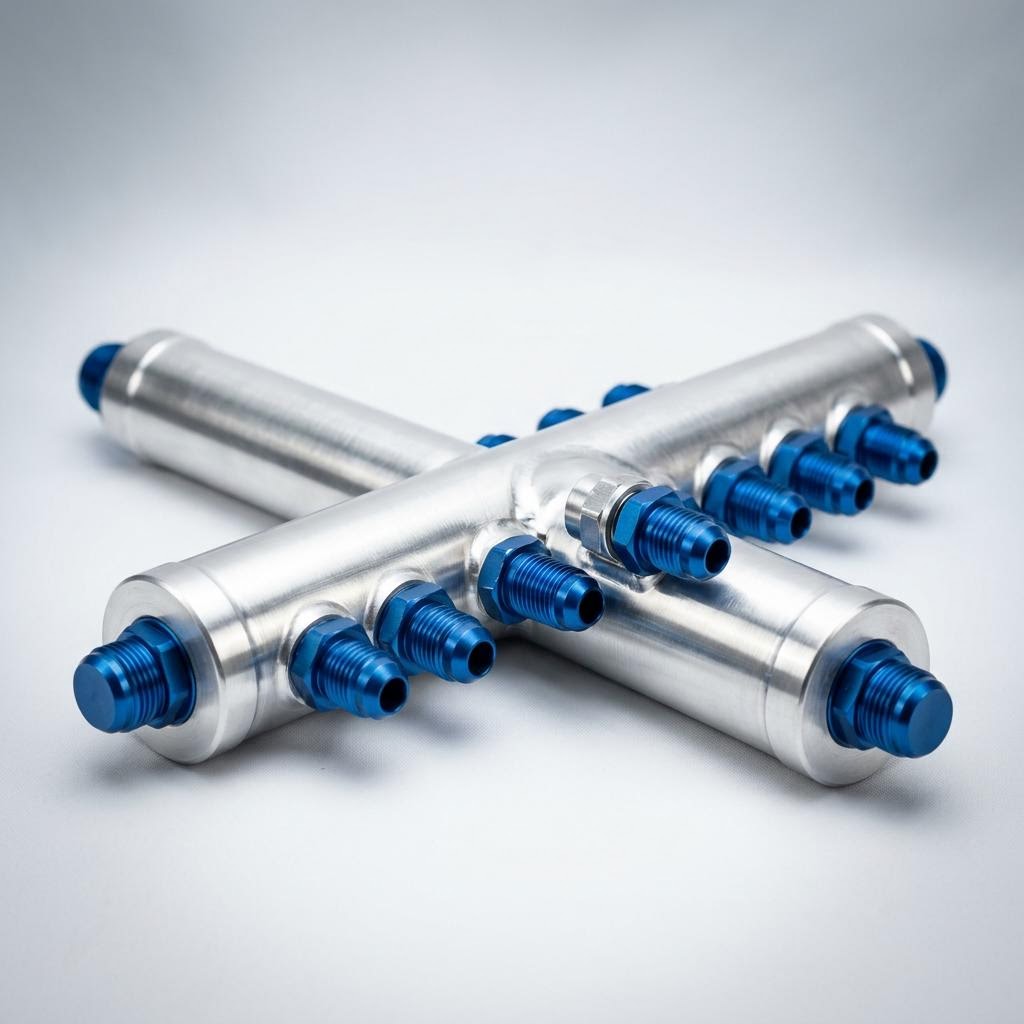
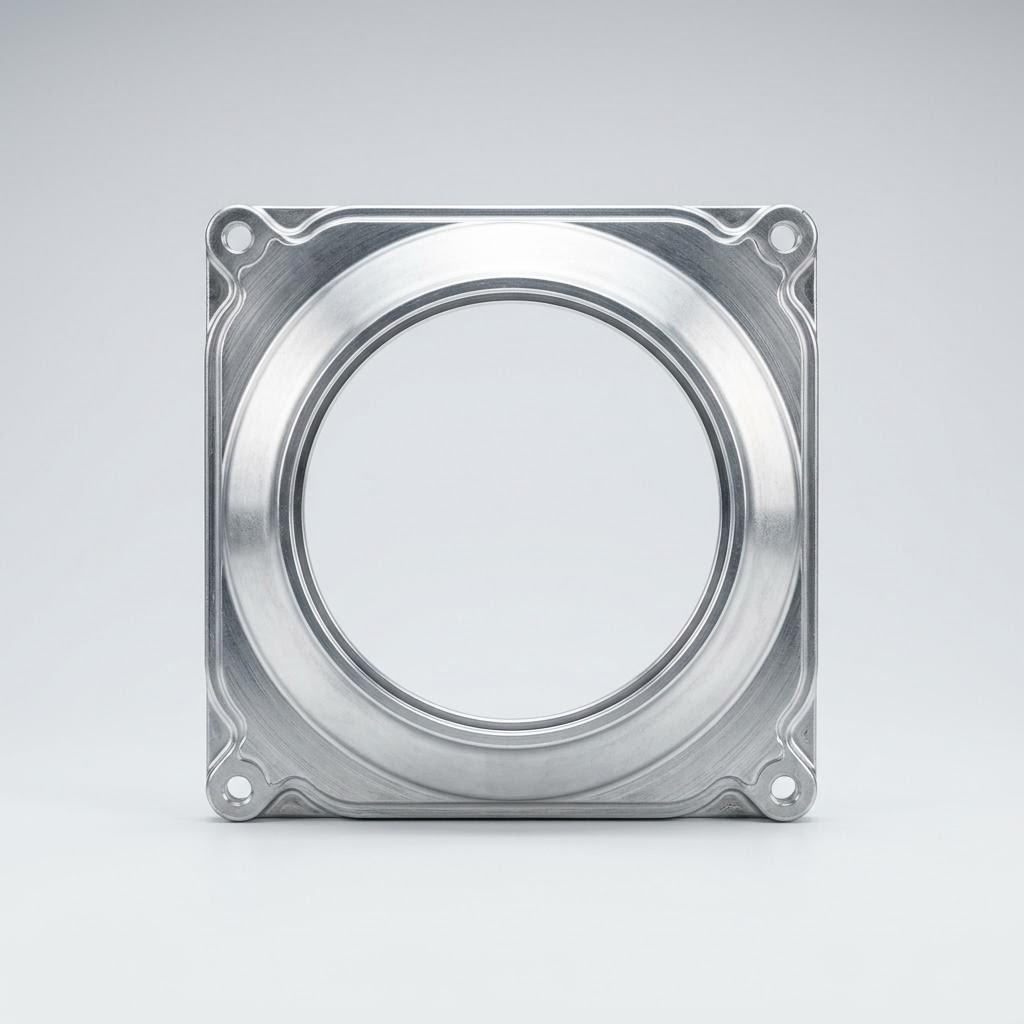
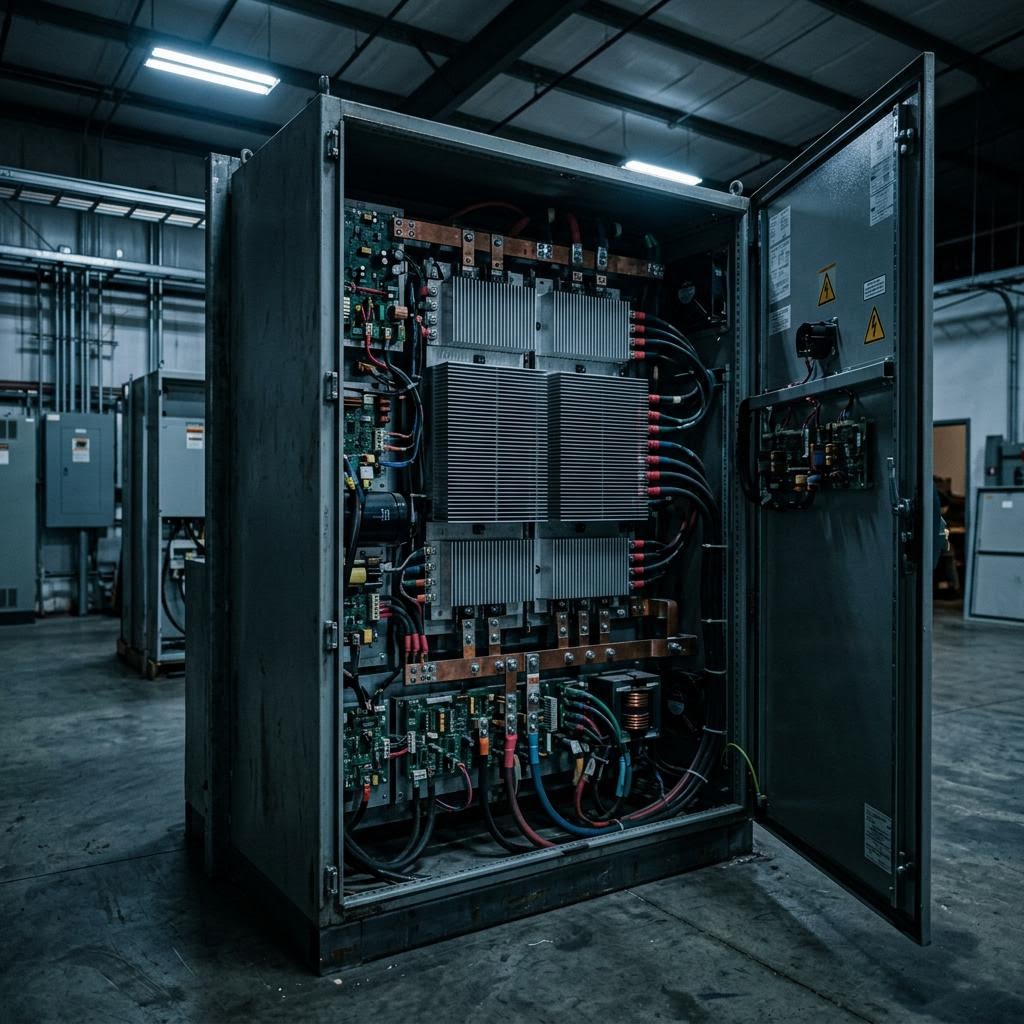
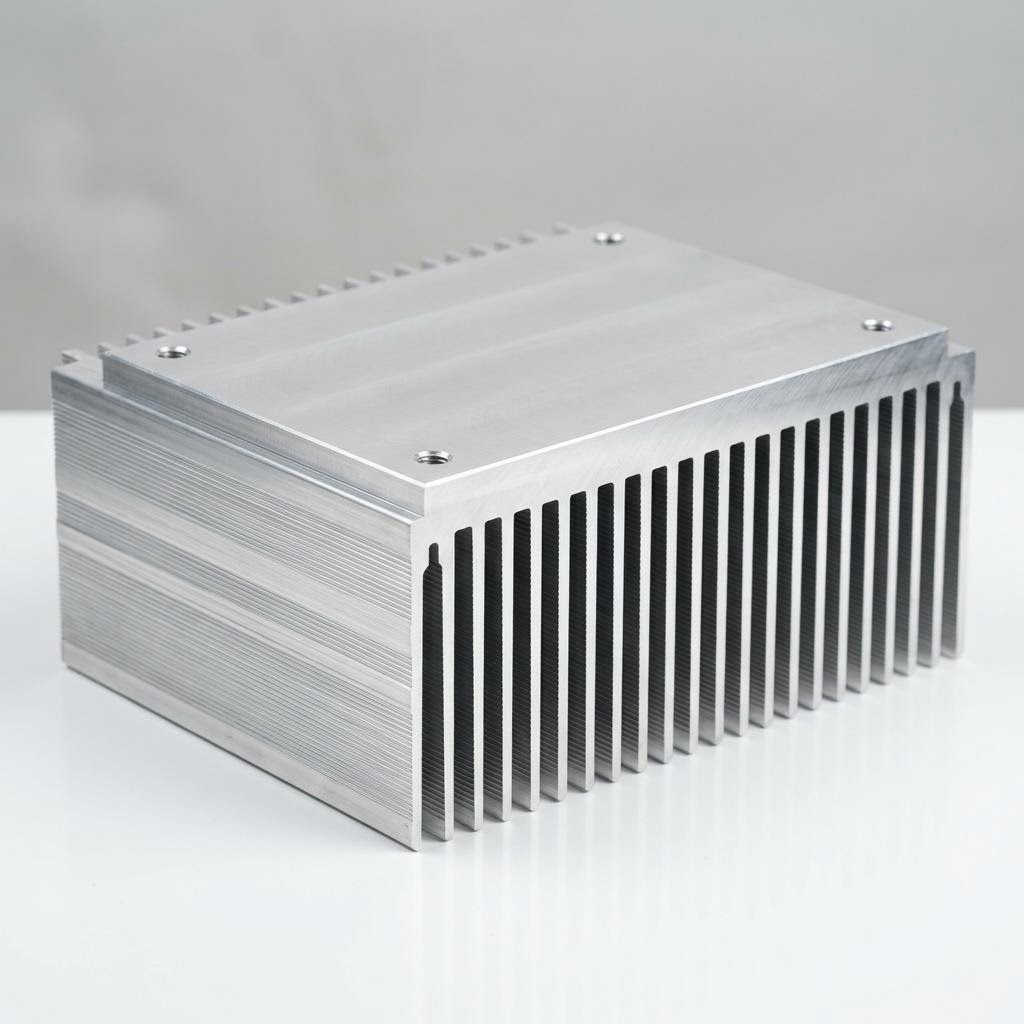
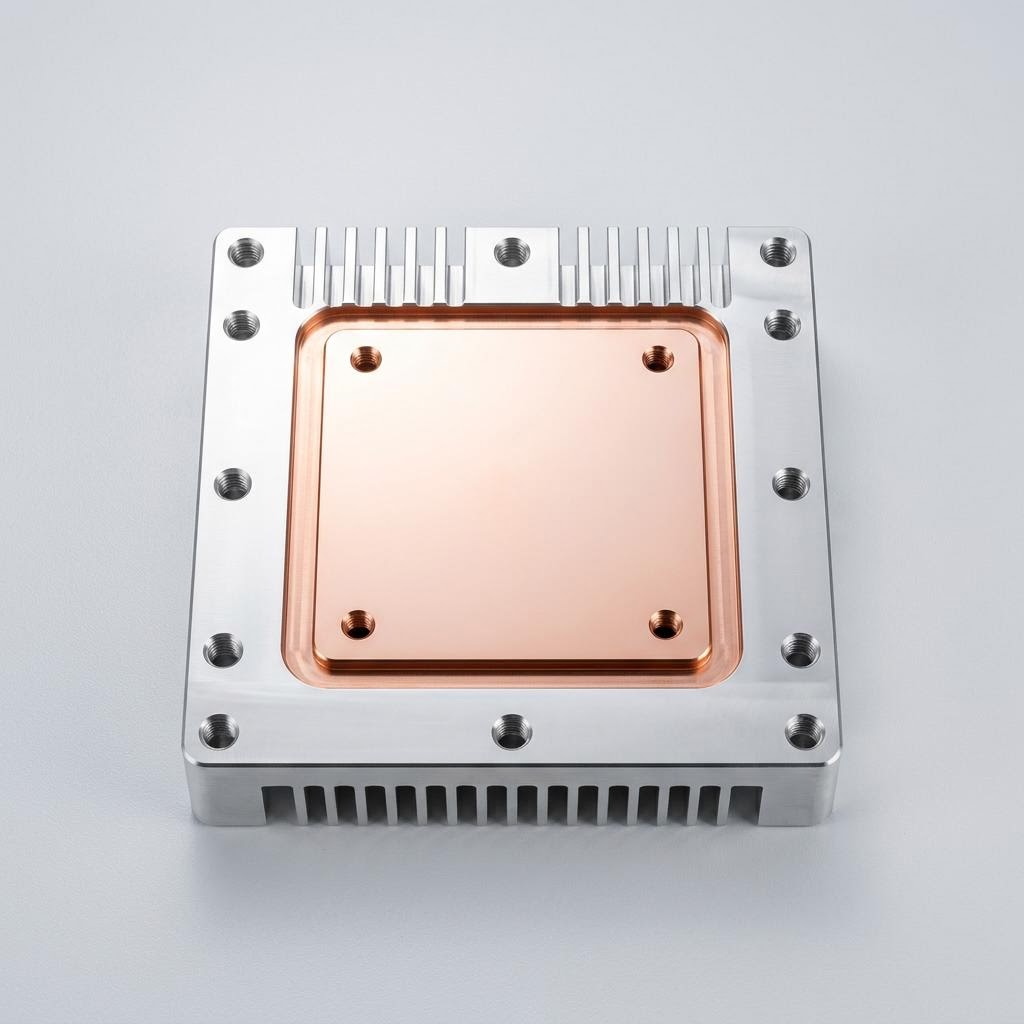
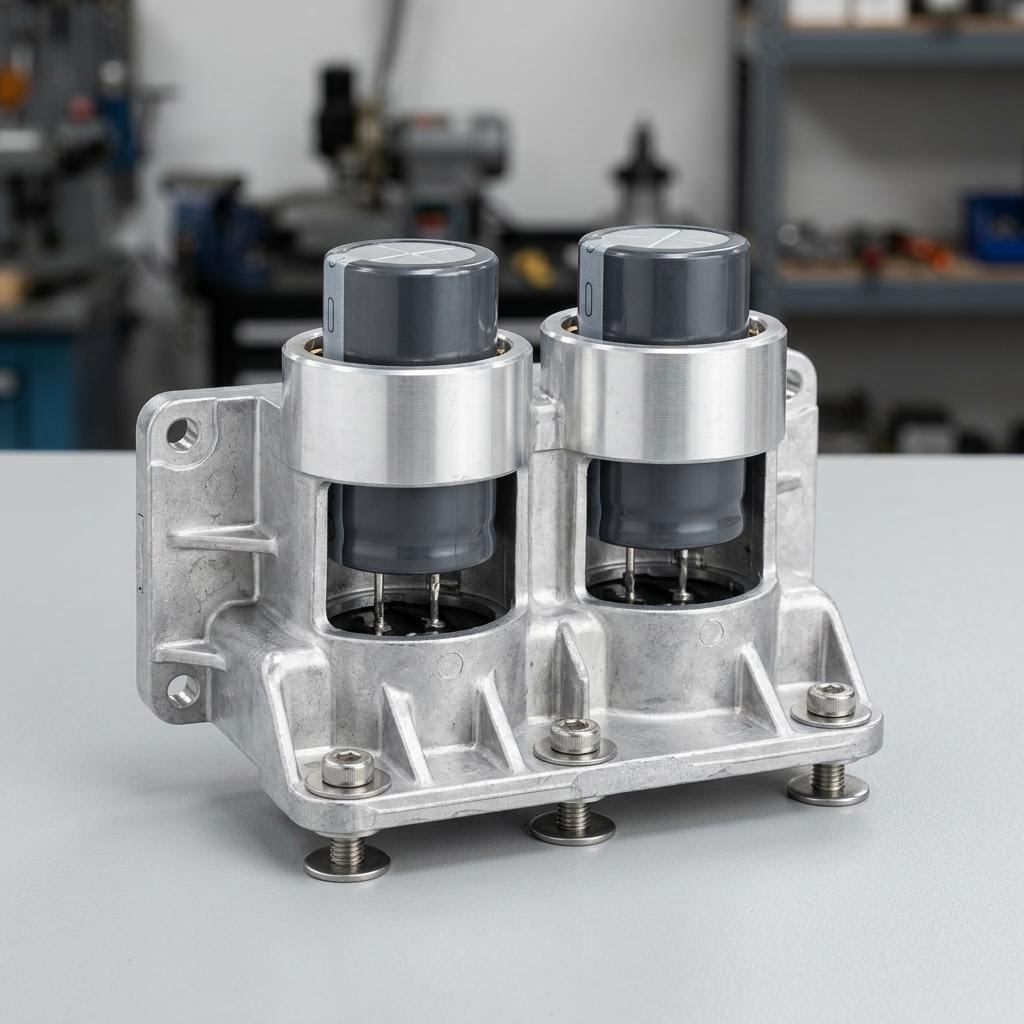
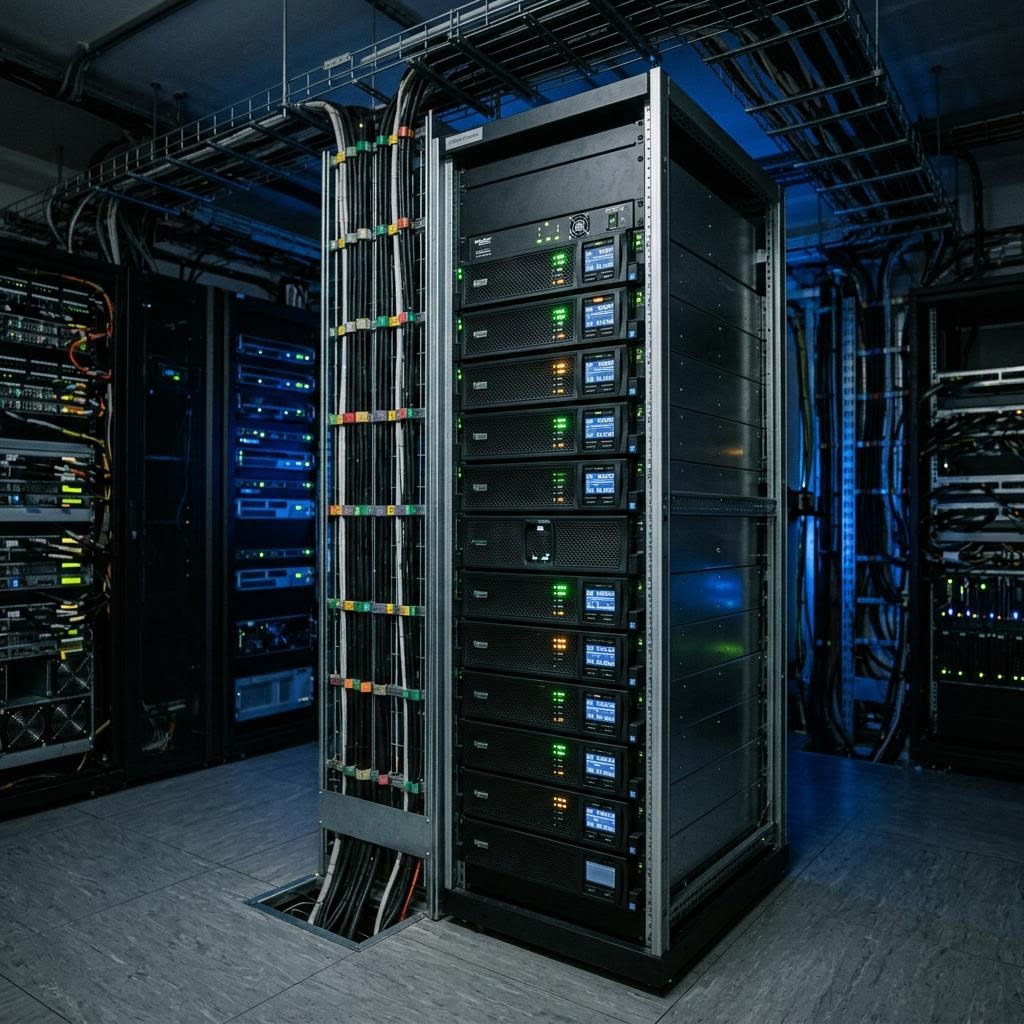
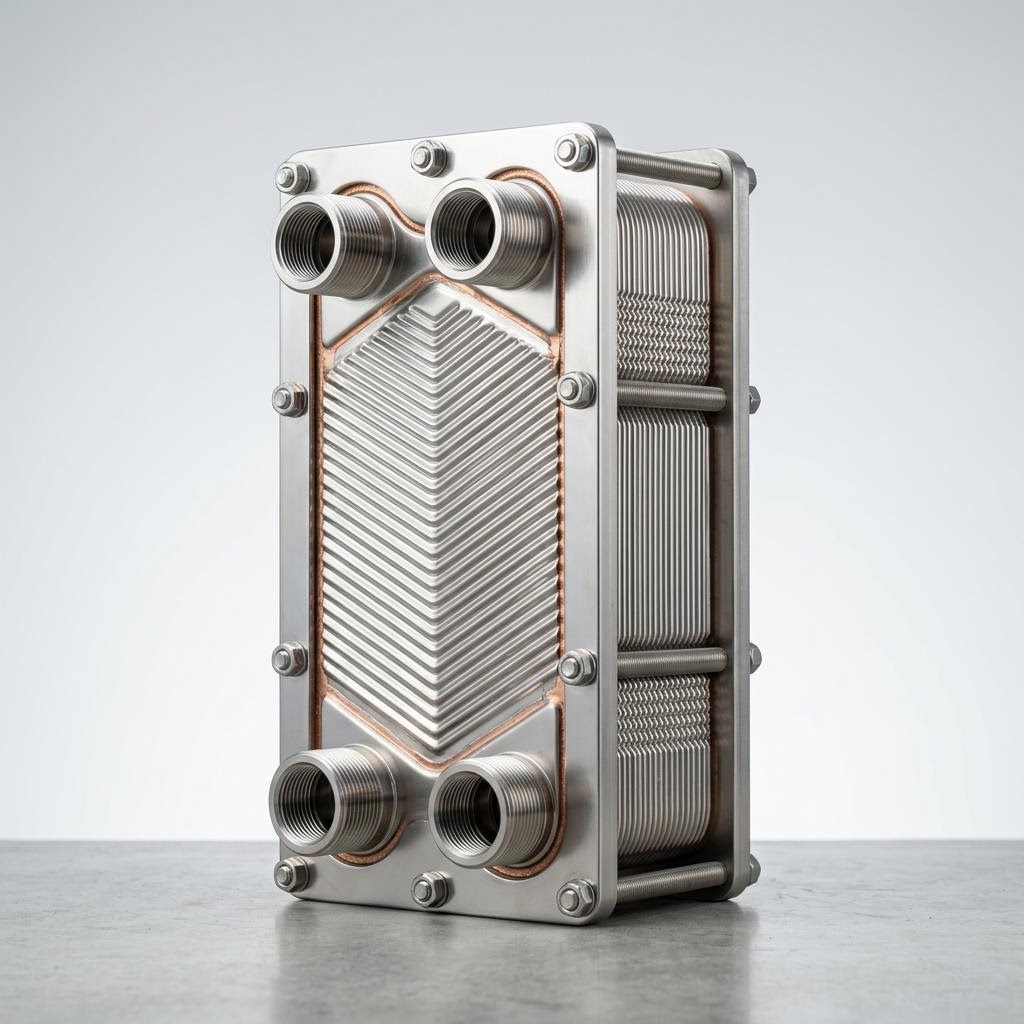
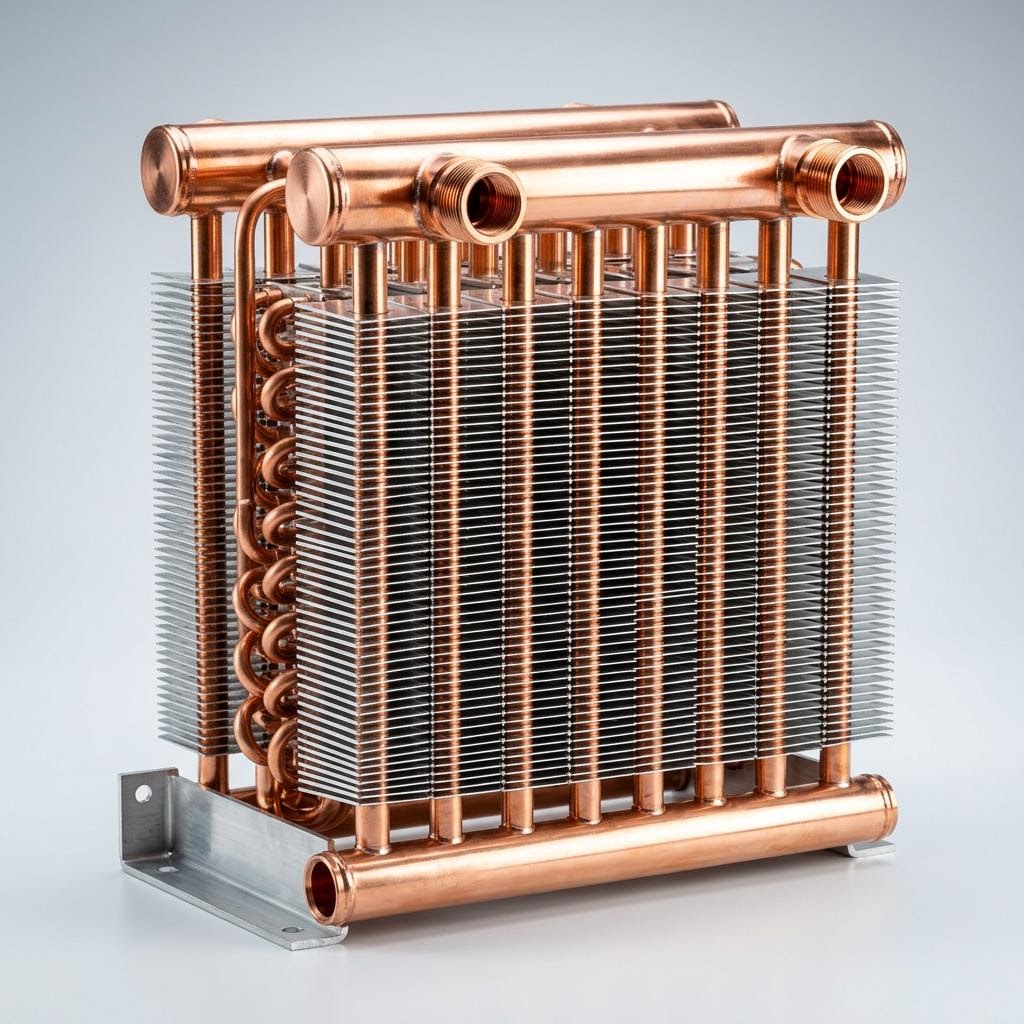
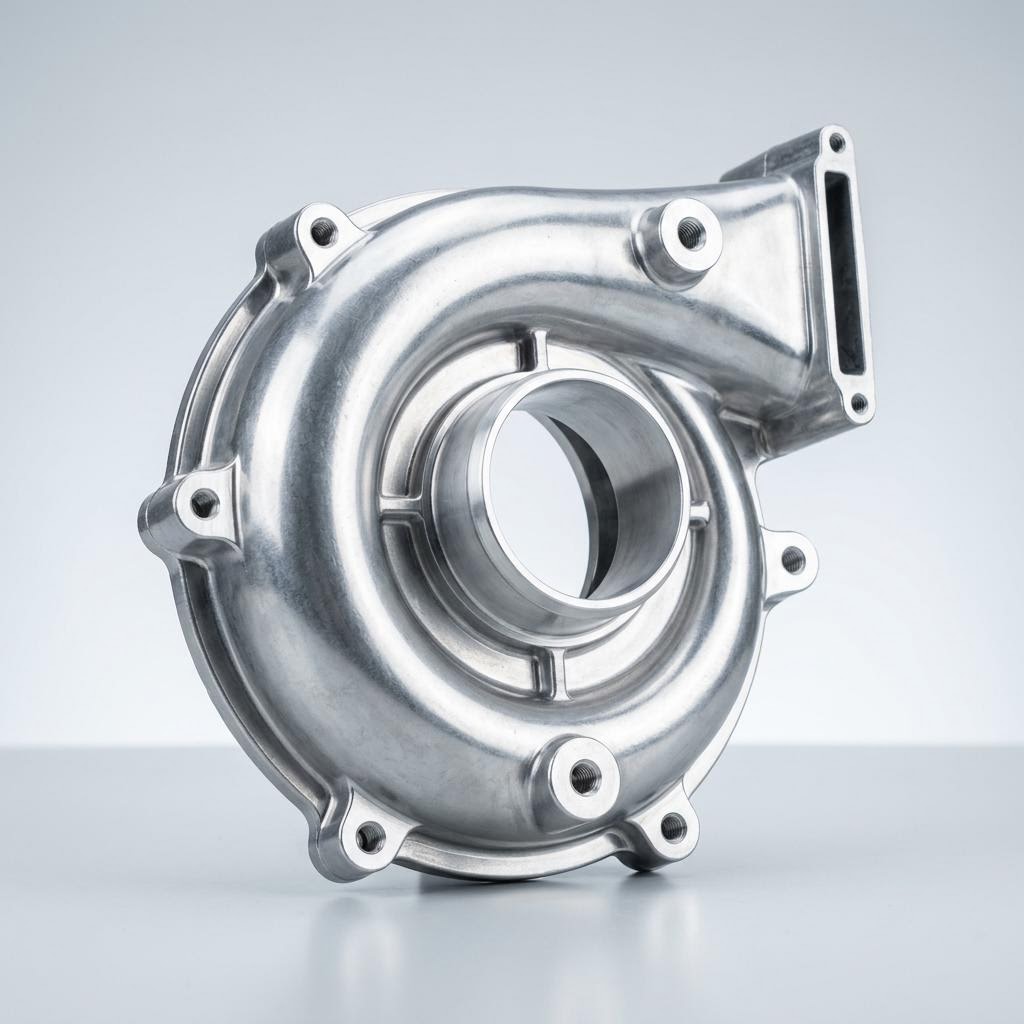
Cold plates, manifolds and heat sinks — wherever power electronics run hot.
MES machines, casts and extrudes the metal components inside liquid cooling and thermal systems — in eight countries, with our own engineers on the floor.
Accelerator draw outpaced air cooling. Direct-to-chip and immersion are mainstream, not experimental.
02
Copper Economics
Since April 2026, Section 232 duty on covered copper is assessed on full customs value, not metal content.
03
Geometry Churn
Every accelerator generation changes the die footprint. Tooling follows on a 12-to-18-month cycle.
04
Leak Risk
Coolant onto energized hardware is not a warranty claim. Pressure integrity is a qualification gate.
05
Deployment Speed
Schedules run in months. Components qualify against a ramp date, not a fiscal calendar.
Why MES
Why Cooling ManufacturersCooling ManufacturersCooling ManufacturersCooling Manufacturers Work With MES
Because thermal parts fail in ways that pass inspection. A cold plate holding 0.025 mm at first article and 0.06 by part four hundred ships clean and throttles the accelerator anyway.
C11000 cold plates with 0.3 mm skived fins. 6061-T6 and 316 manifolds. 6063-T6 heat sinks. A380 cast hardware. The alloys are the easy part — holding the tolerance across four hundred parts is not.
We measure every lot at source. We review the drawing before the tool is cut.
Certified & Global
ISO 9001:2015 since 2009
IATF 16949
NMSDC Minority-Certified
United States, India, China, Mexico, Vietnam & more
01
We measure at source, every lot
Verified in the supplier’s plant, not on your dock. Flatness, fin geometry and channel cleanliness, on the parts that ship.
02
We review the drawing first
A bore that cannot hold as-cast. A fin pitch that will not skive at that height. You hear it while it is still a drawing, at no cost.
03
We pull the heat number at the mill
Not reconstructed on receipt. “Meets the standard” and “came from this heat” are different documents.
04
We employ the engineers in the plant
Same country, same floor, the day your parts run. Not a quarterly audit the factory prepared for.
0.025 mm
Flatness across the die footprint
388 W/m·K
Copper conductivity — roughly twice aluminum
3,000+
Audited global suppliers
Applications
Six Applications. One Thermal Capability.
Wherever power electronics run hot in a confined space, the same machined plates, manifolds and extruded heat sinks apply. Data centers are the largest case. Not the only one — and MES supplies the components across all six.
01
Data Centers & AI Infrastructure
Accelerator density made air cooling impossible. Direct-to-chip is now standard.
Thermal performance and cosmetic finish specified as one requirement, not two.
Components We Engineer & Deliver
Components We Engineer & Deliver
Four categories. Precision CNC machining, aluminum extrusion, high-pressure die casting and investment casting.
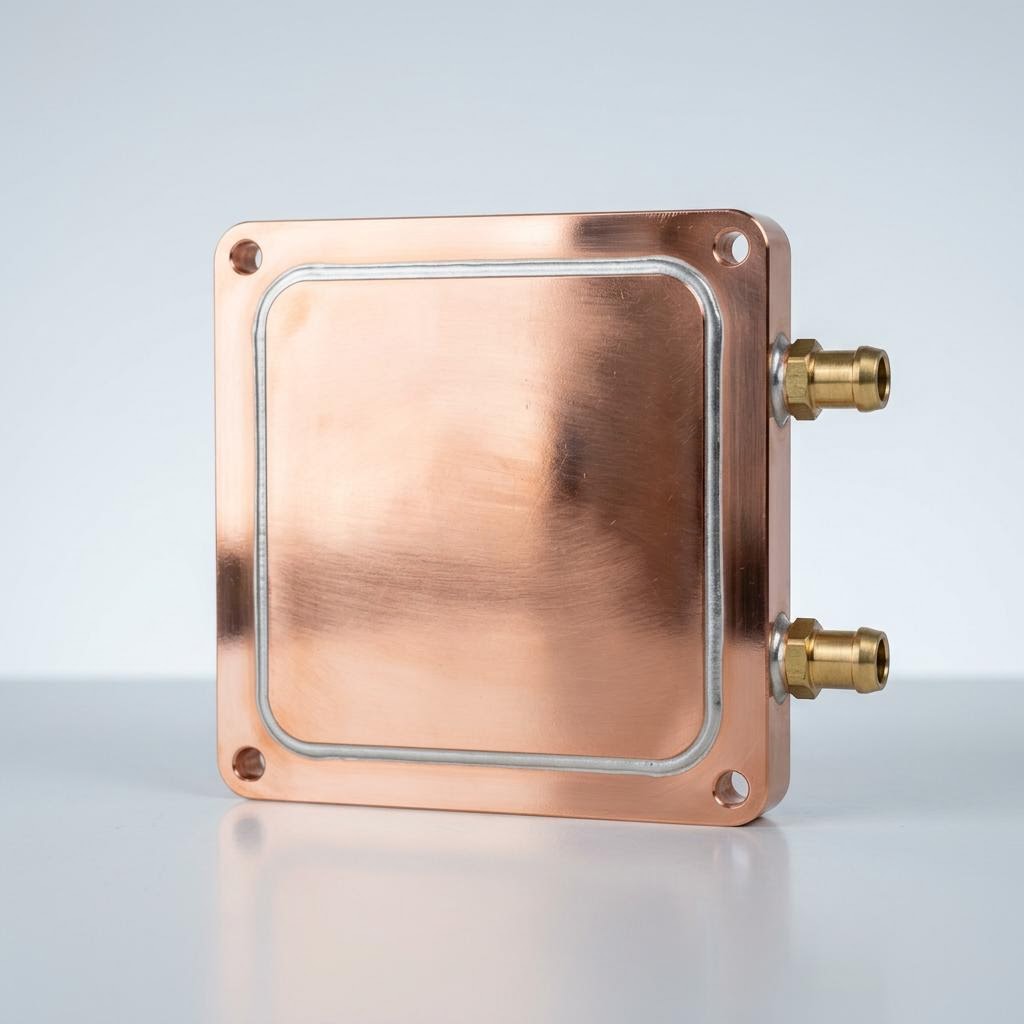
A machined block on the processor, coolant through internal channels. One to eight per server.
Unforgiving in three ways — flatness on the die face, fin geometry, and the sealed joint. All three are machining outcomes, not design outcomes.
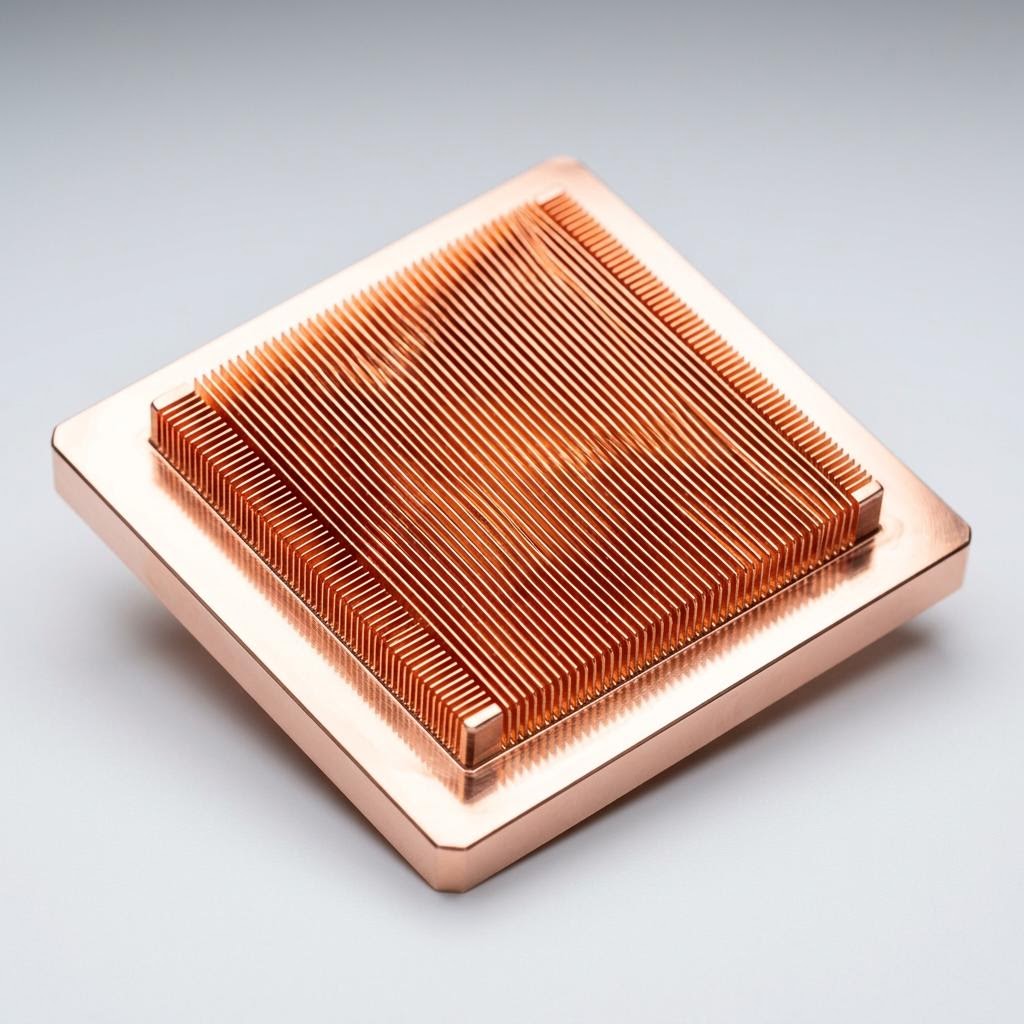
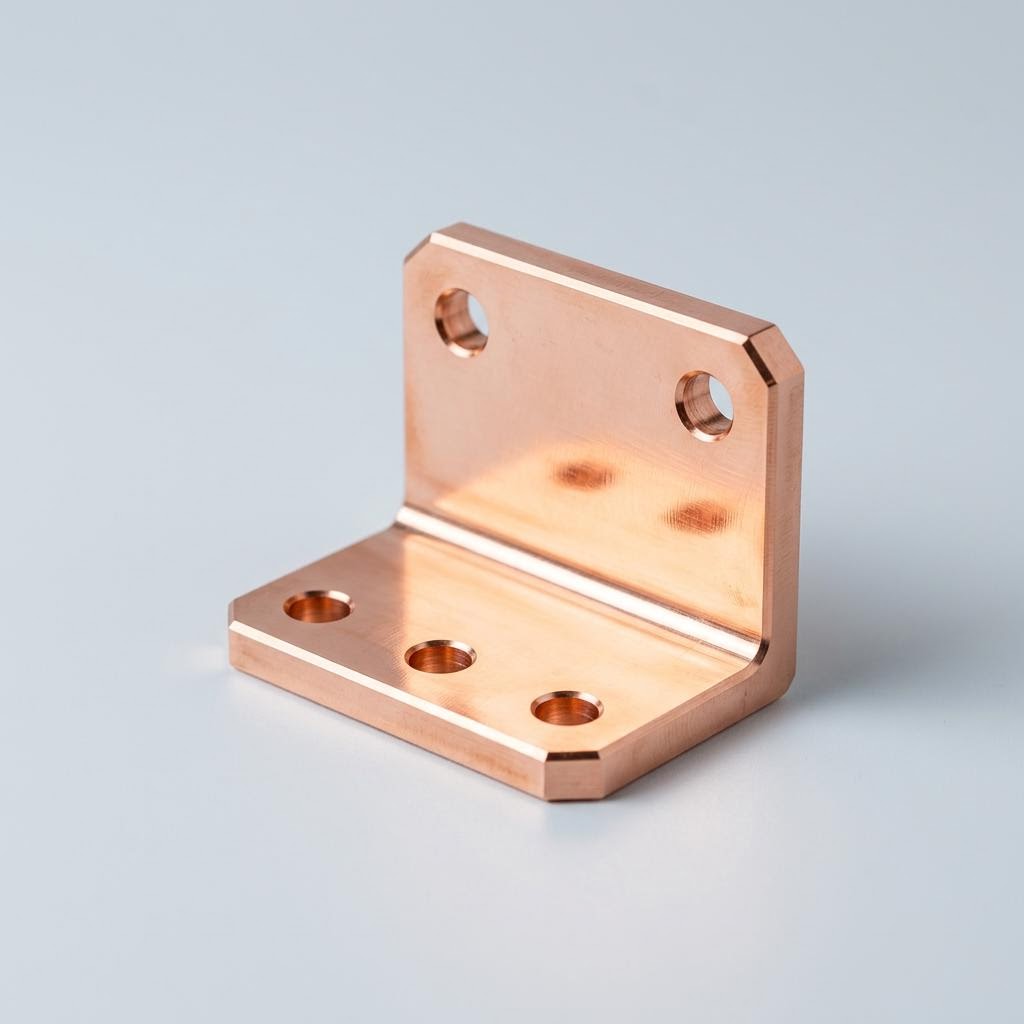
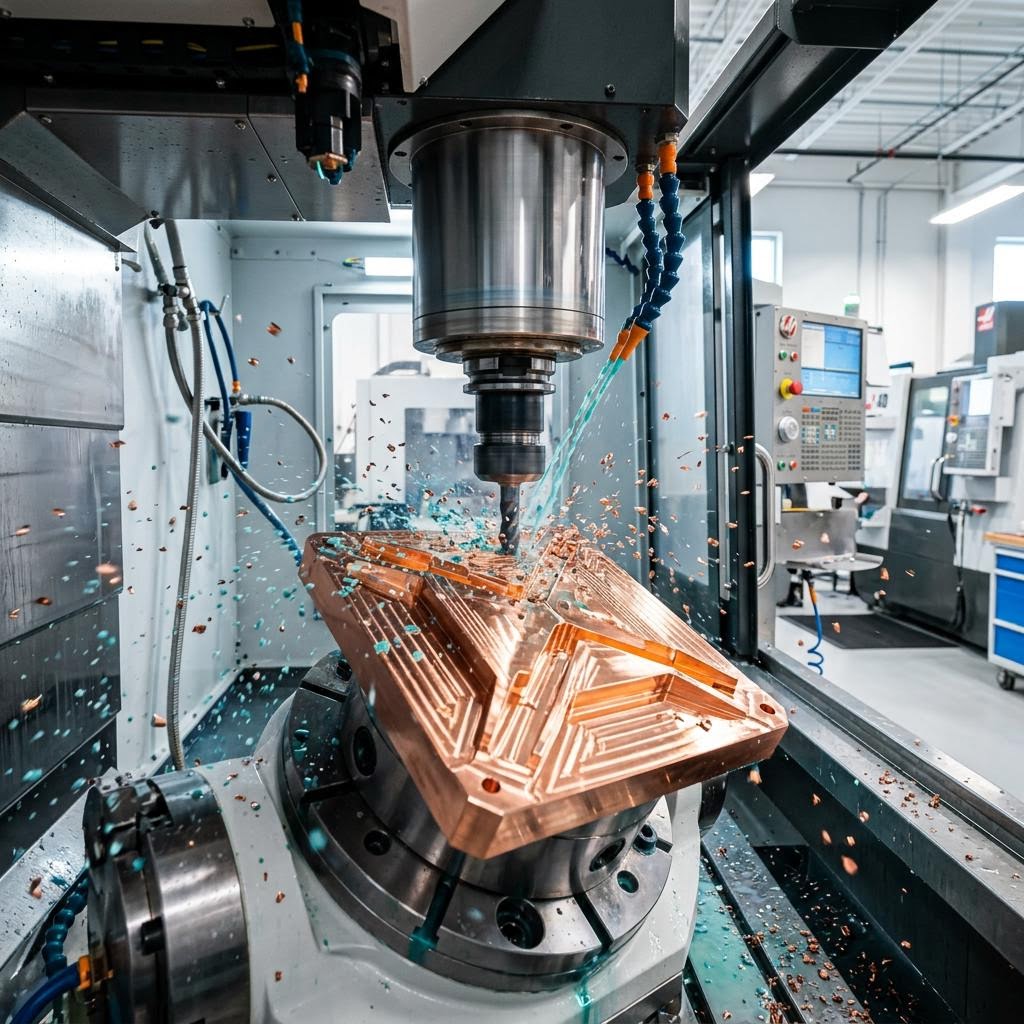
Skived Fin Cold Plate — C11000 Copper, CNC Machined
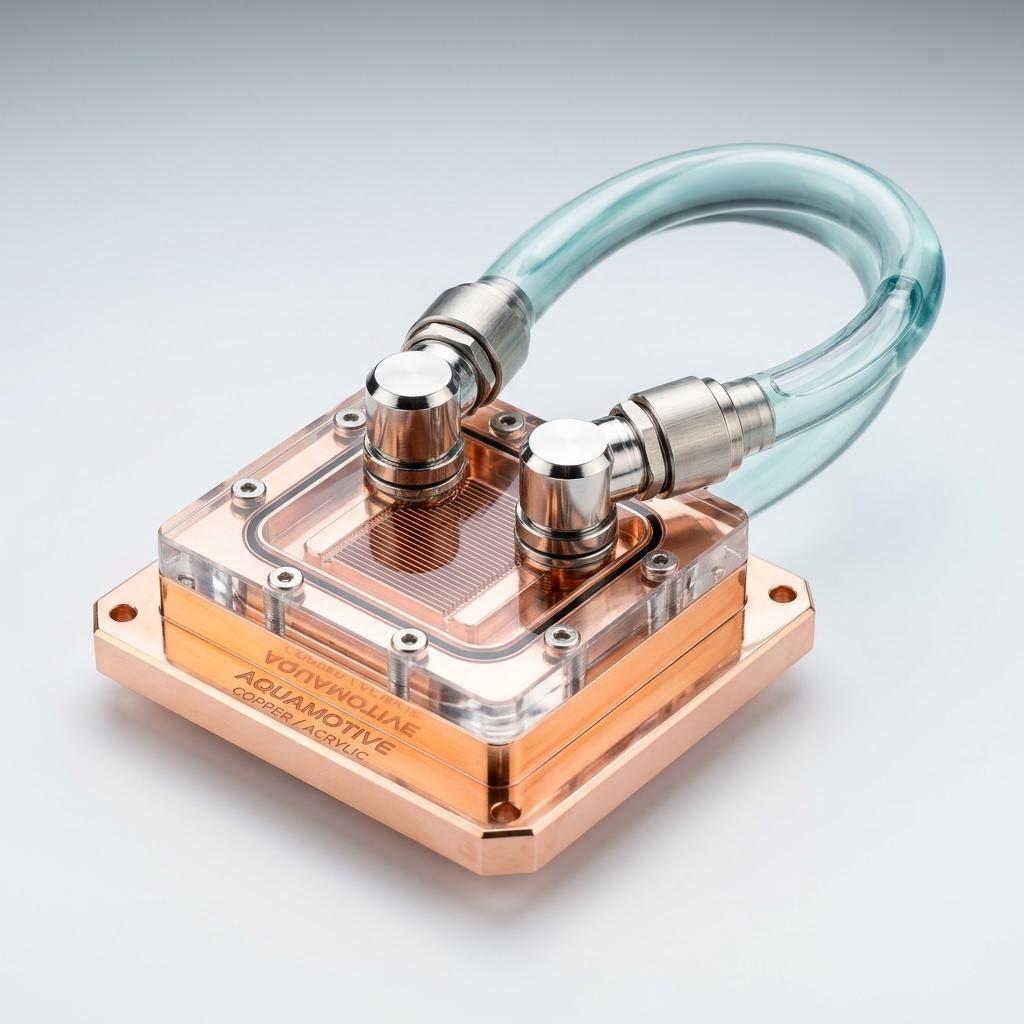
Cold Plate Assembly with Quick-Disconnect Ports
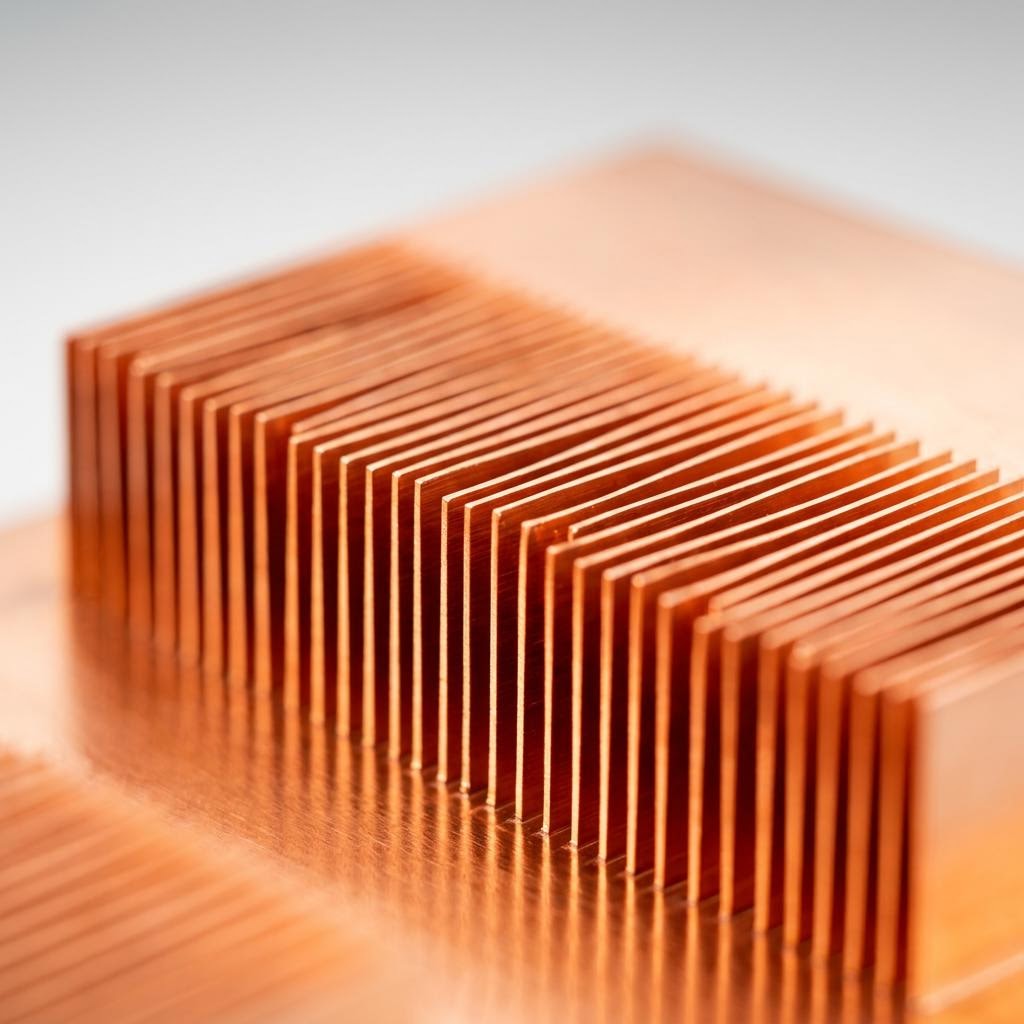
Fin Detail — 0.3 mm Thickness at 0.4 mm Pitch
Machined Aluminum Cold Plate — 6061-T6
Brazed Cover Joint — Pressure Tested
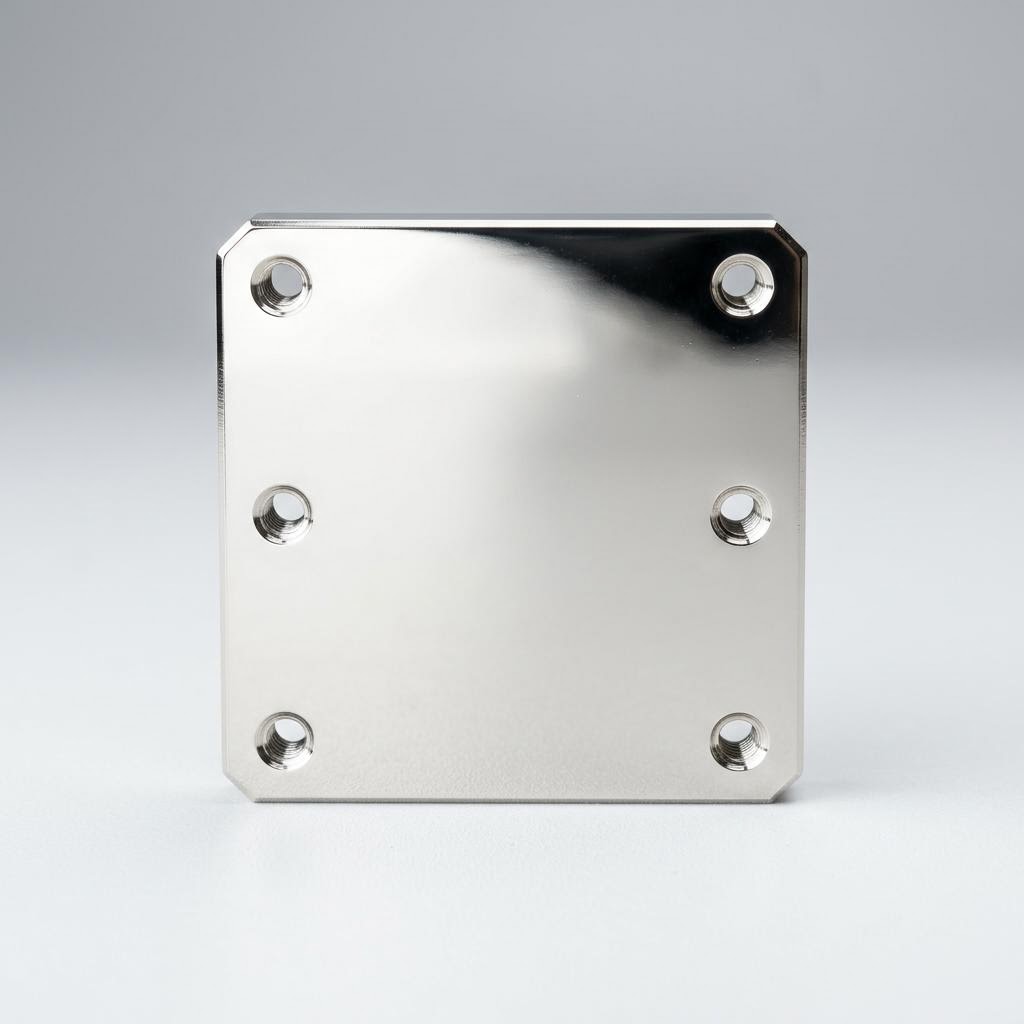
Nickel-Plated Copper Plate for Mixed-Metal Loops
The interface between the facility water loop and the technology loop.
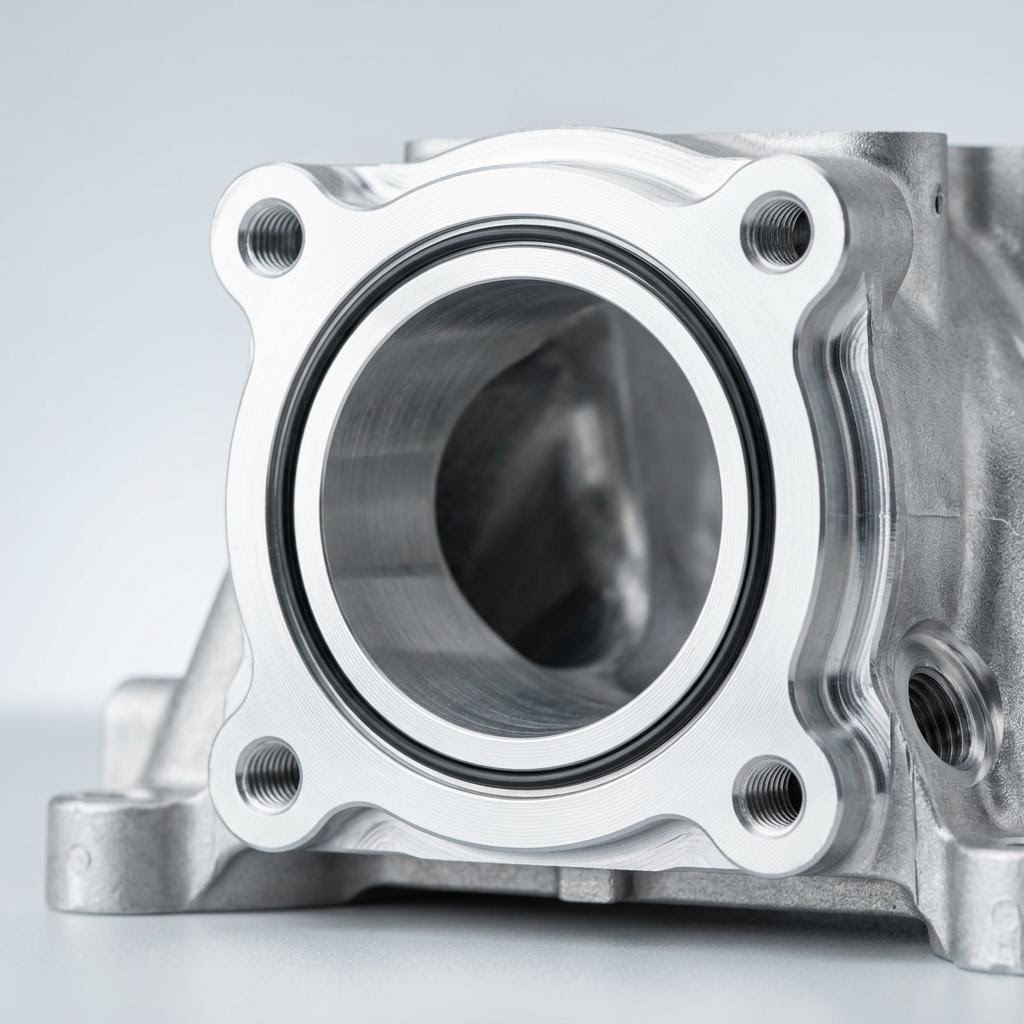
A leak-path problem more than a dimensional one — every port and internal transition is somewhere a closed loop can fail, and particulate carried downstream ends up in a cold plate channel.
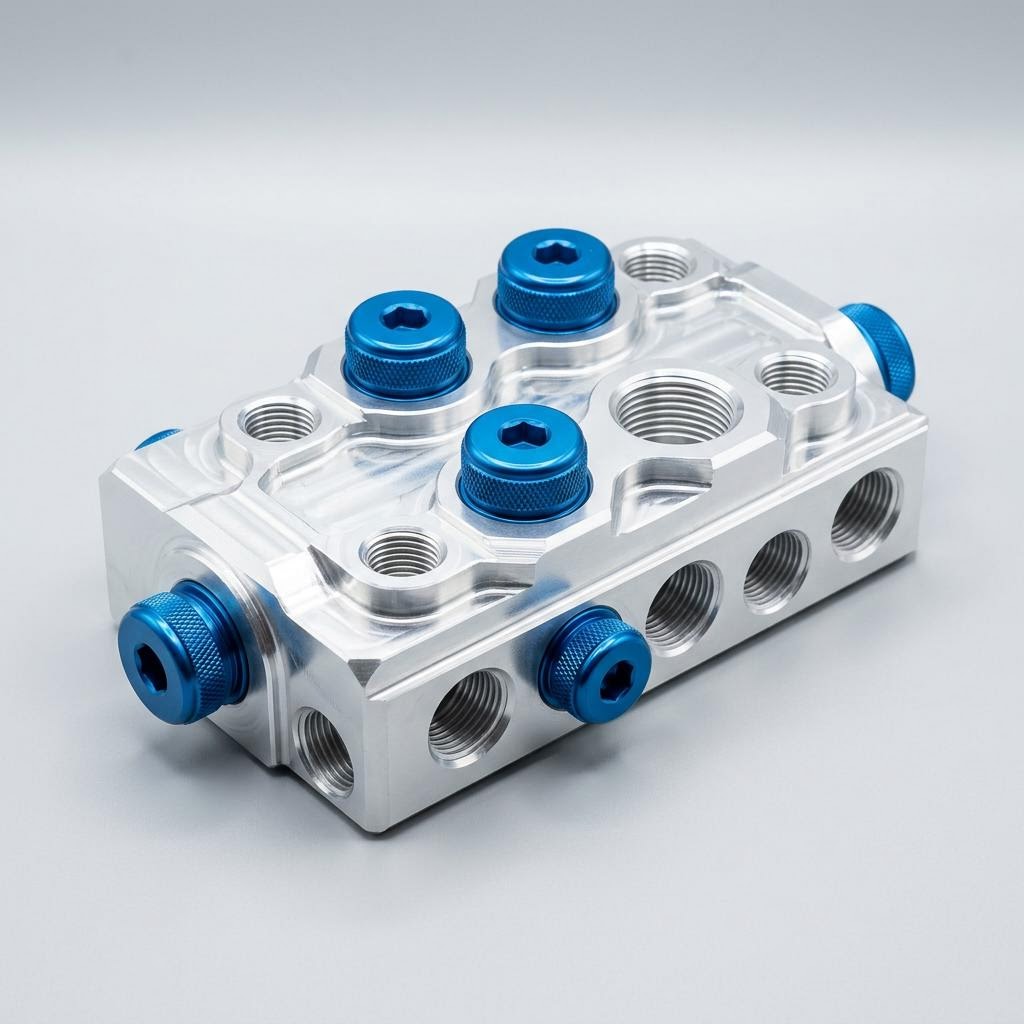
CDU Manifold Body — CNC Machined Aluminum
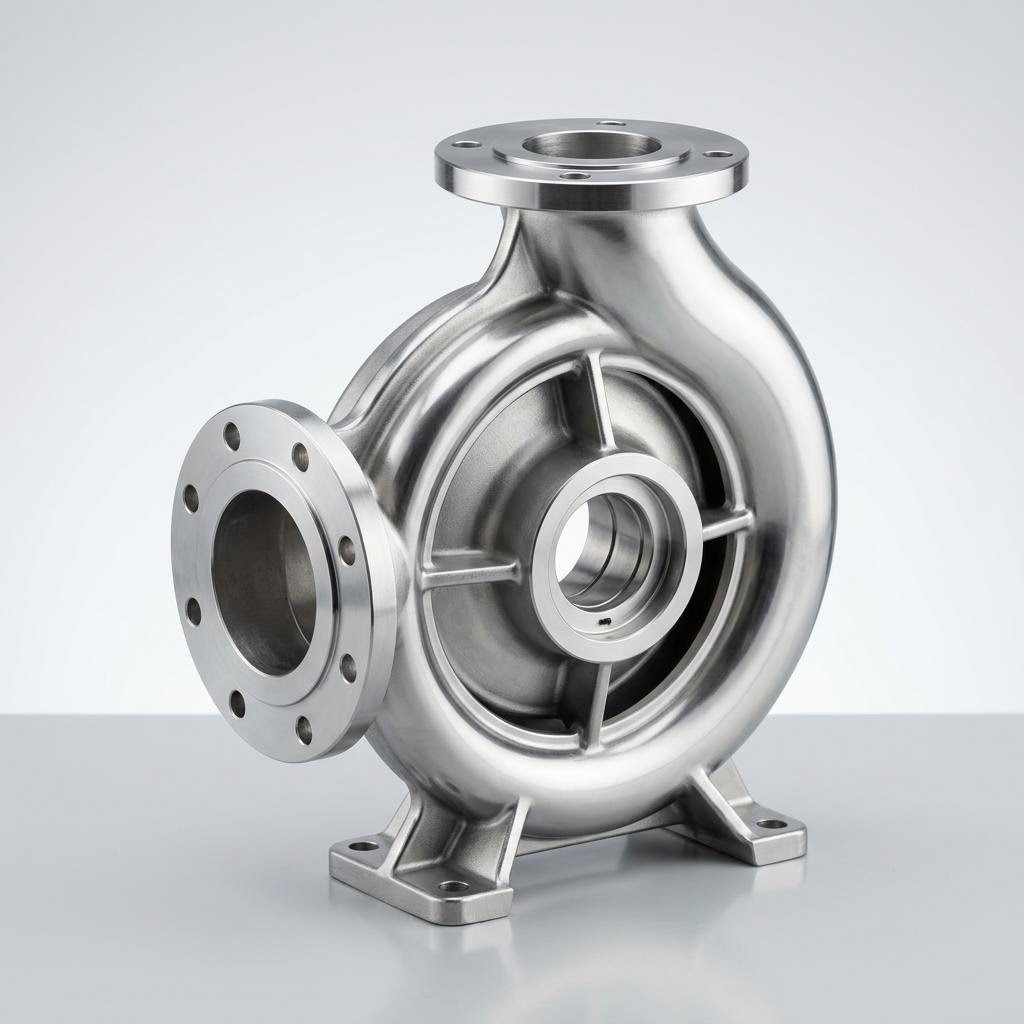
Pump Housing — Investment Cast Stainless
Distribution Header with Machined Ports
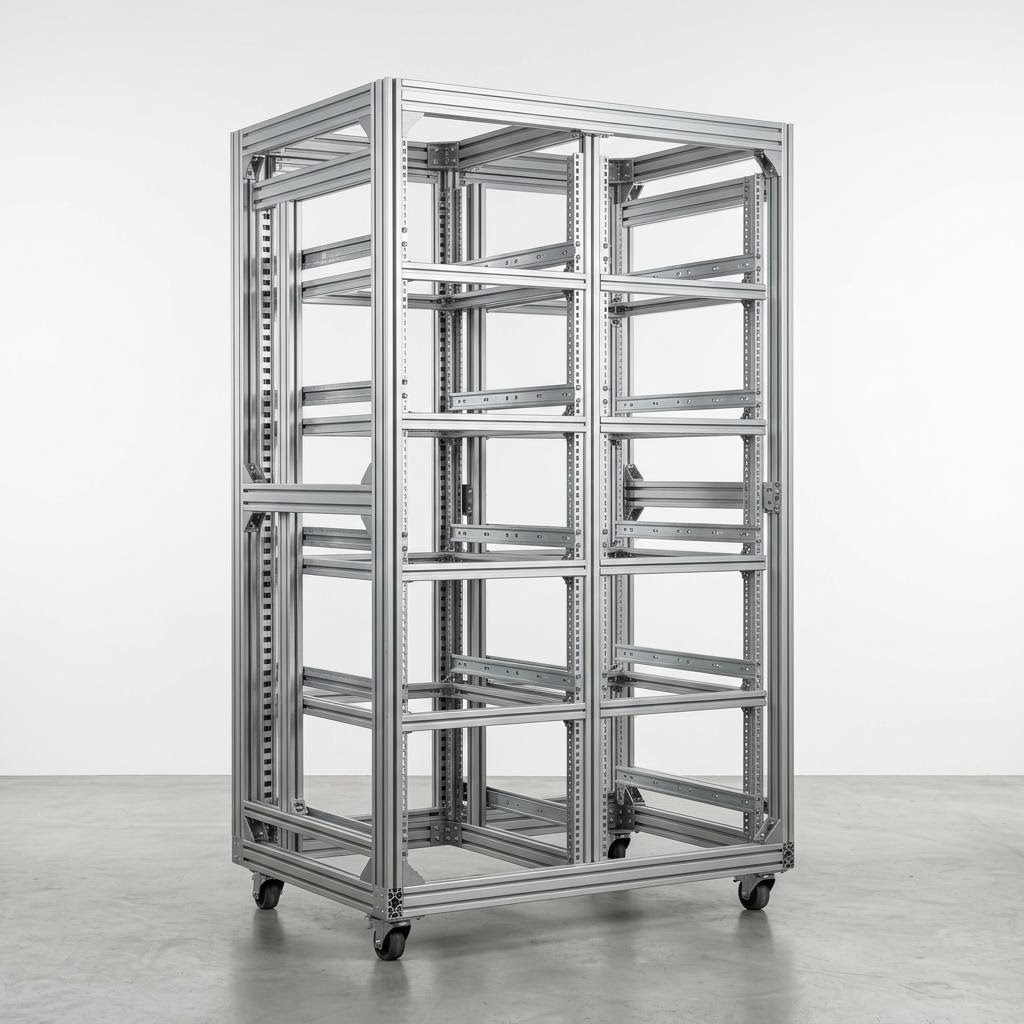
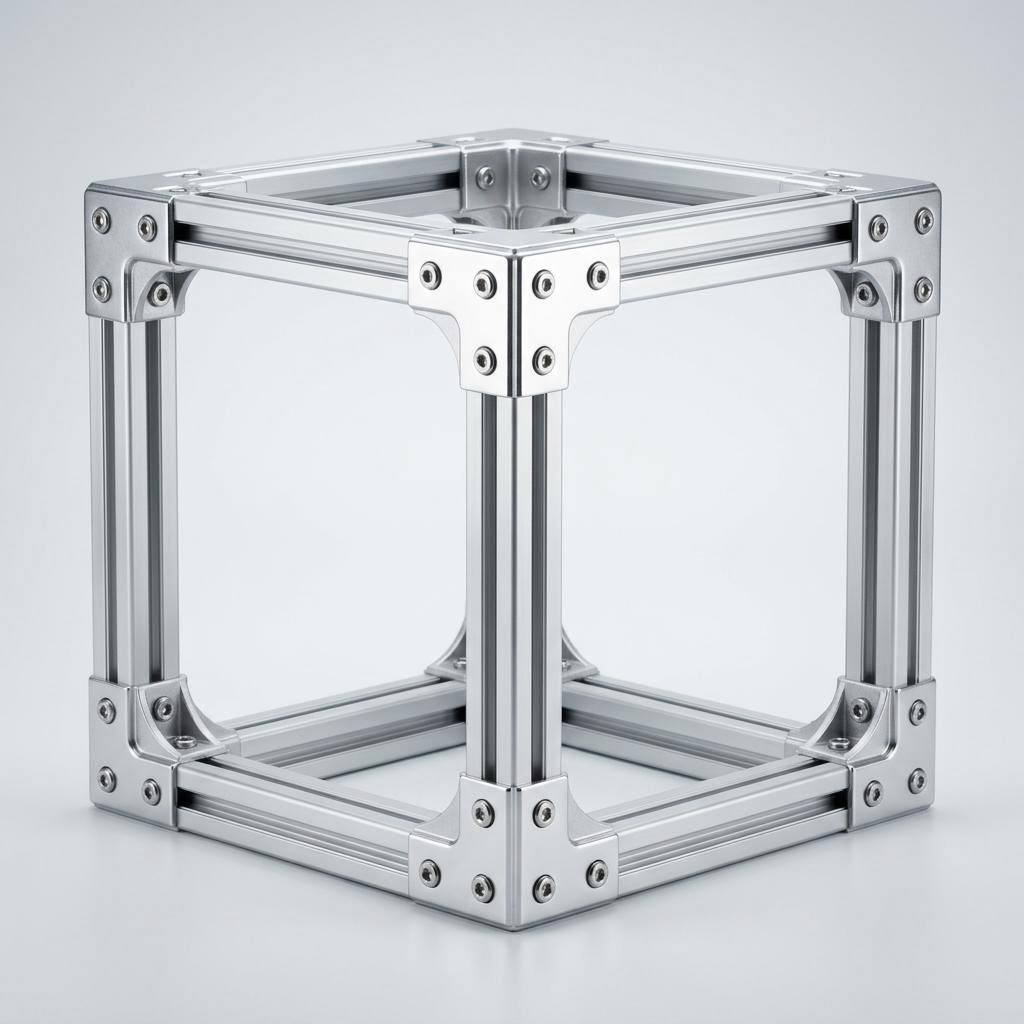
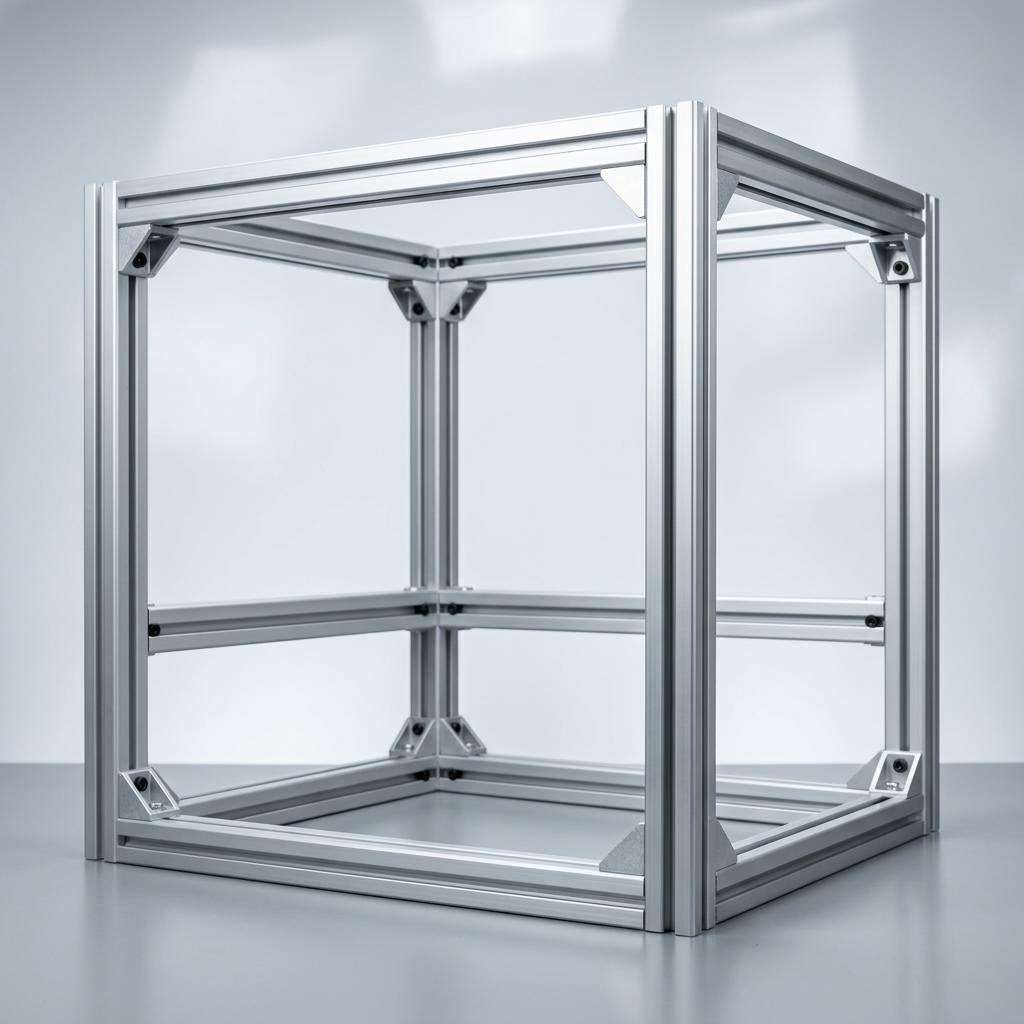
CDU Enclosure Frame — Aluminum Extrusion
Manifold Port Detail — Machined Sealing Faces
Liquid-to-Liquid Heat Exchanger Frame
Almost no deployment goes entirely to liquid. Air handlers, in-row coolers and CRAH units stay in production and stay heavy consumers of extruded and cast hardware.
Extrusion straightness is the spec most often left to the standard — and the standard is looser than most assemblies assume.
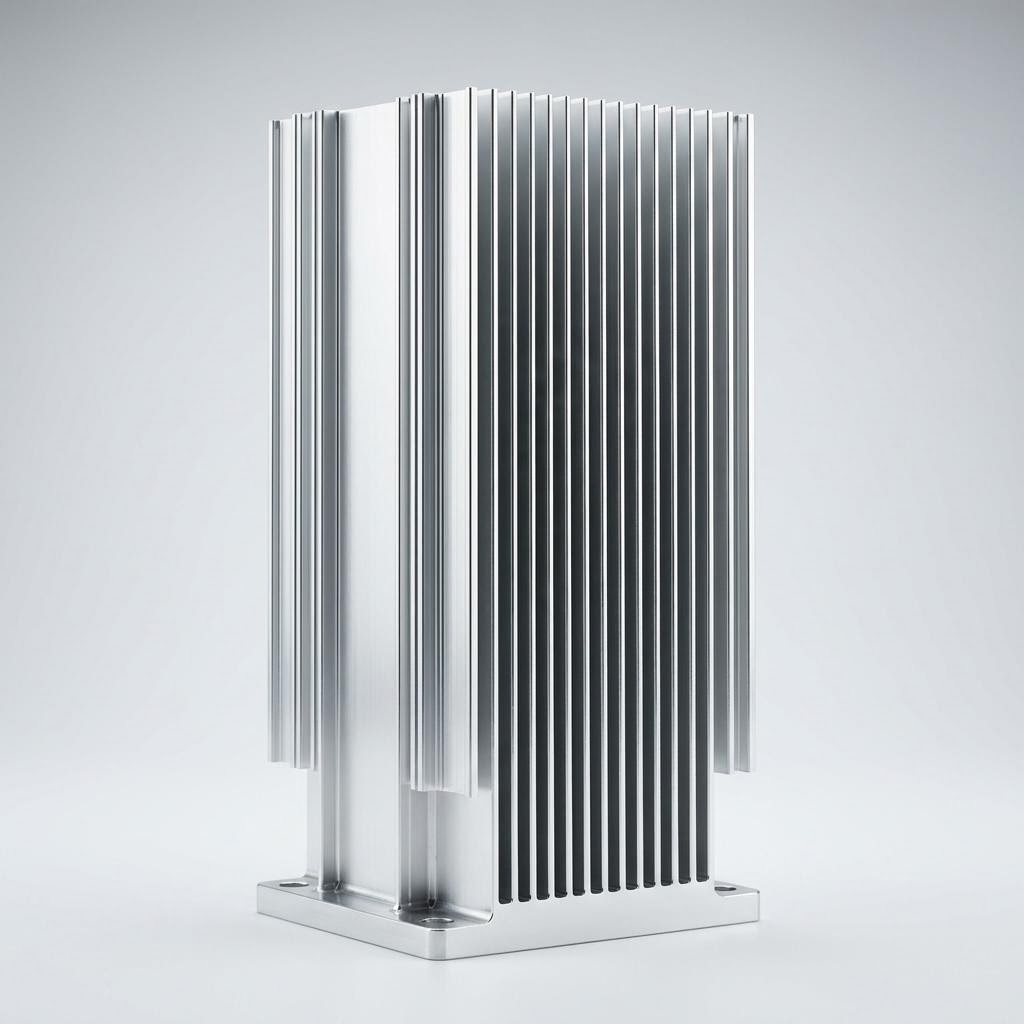
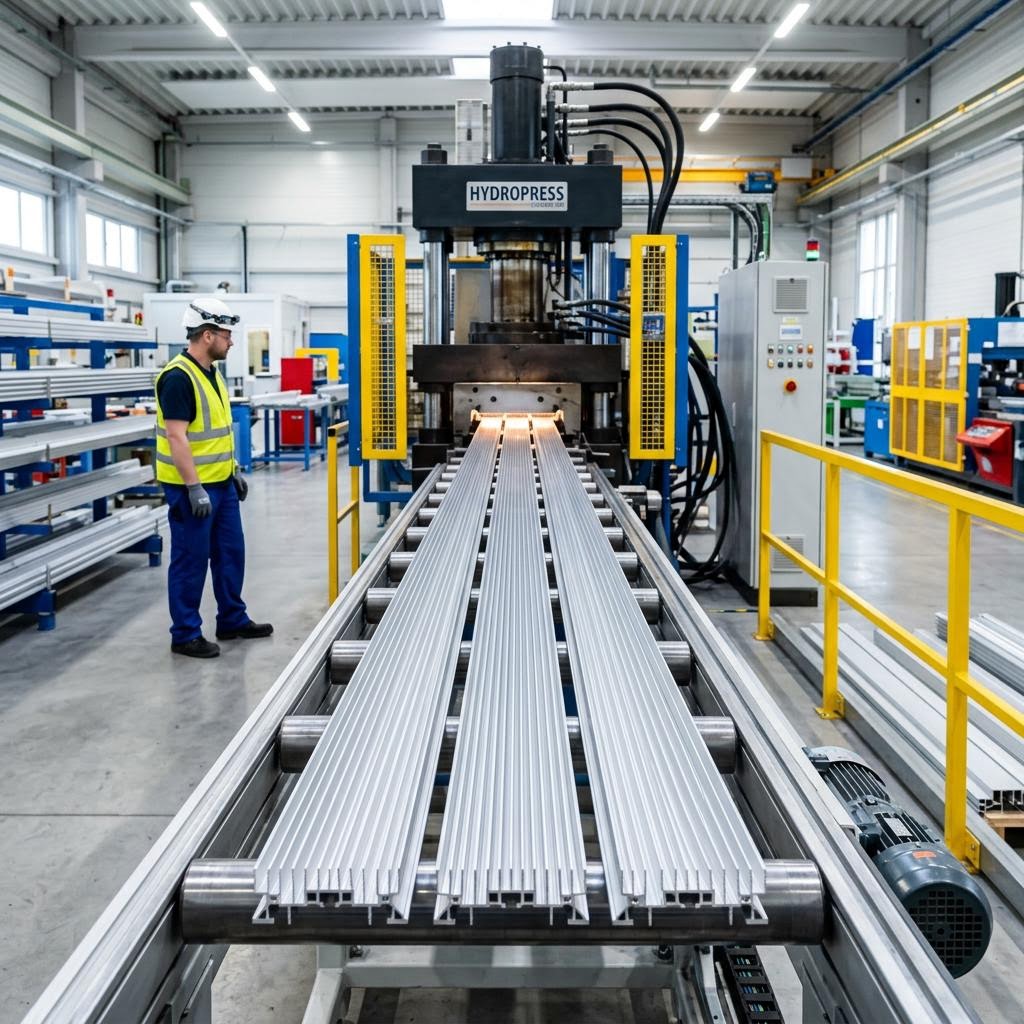
Extruded Heat Sink — 6063-T6 High Aspect Ratio
Fan Shroud — Die Cast Aluminum
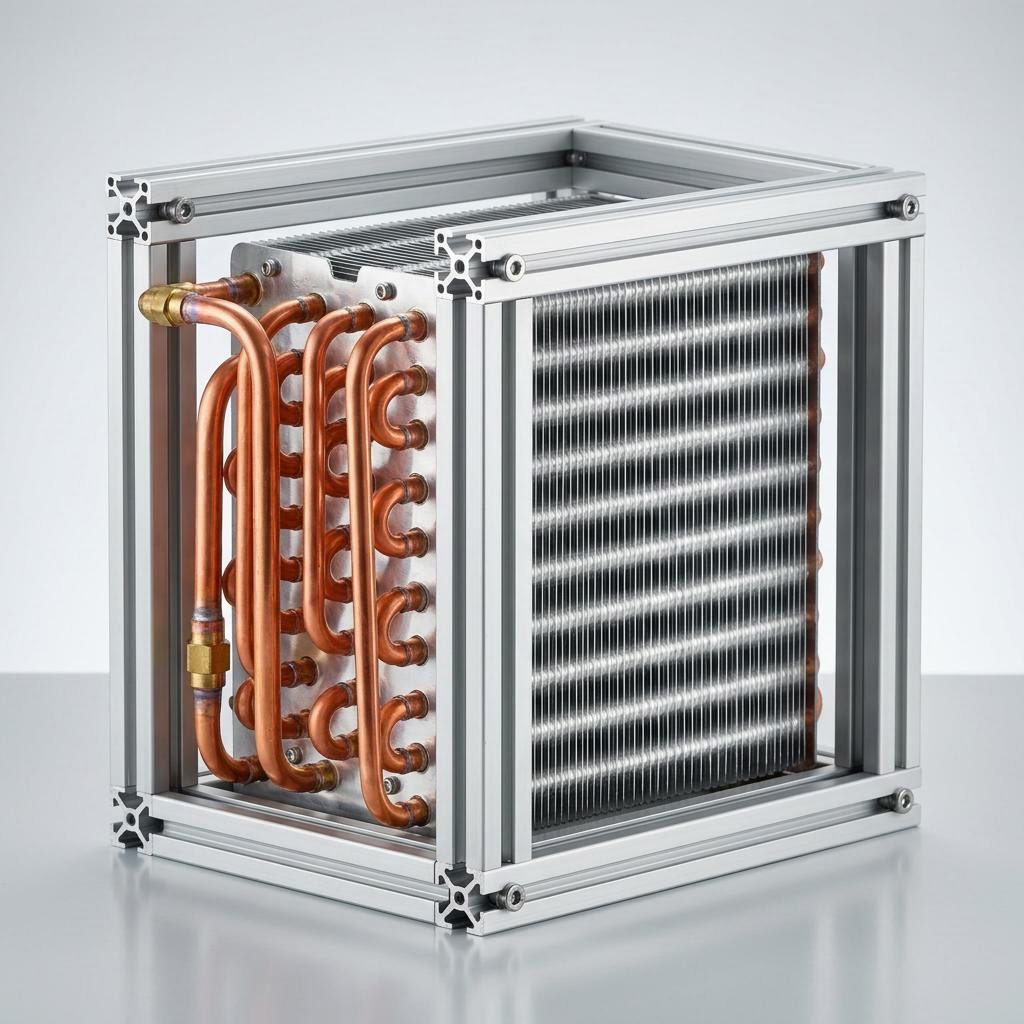
Coil Frame Assembly — Extruded + Machined
Blower Housing — A380 Die Cast
Structural Enclosure Framing — Aluminum Extrusion
Machined Heat Sink Base for Power Electronics
Immersion moves the whole server into dielectric fluid. Rear-door exchangers retrofit liquid onto existing racks.
Both structurally demanding, both growing from a small base — which means new supply chains and tooling not yet locked in.
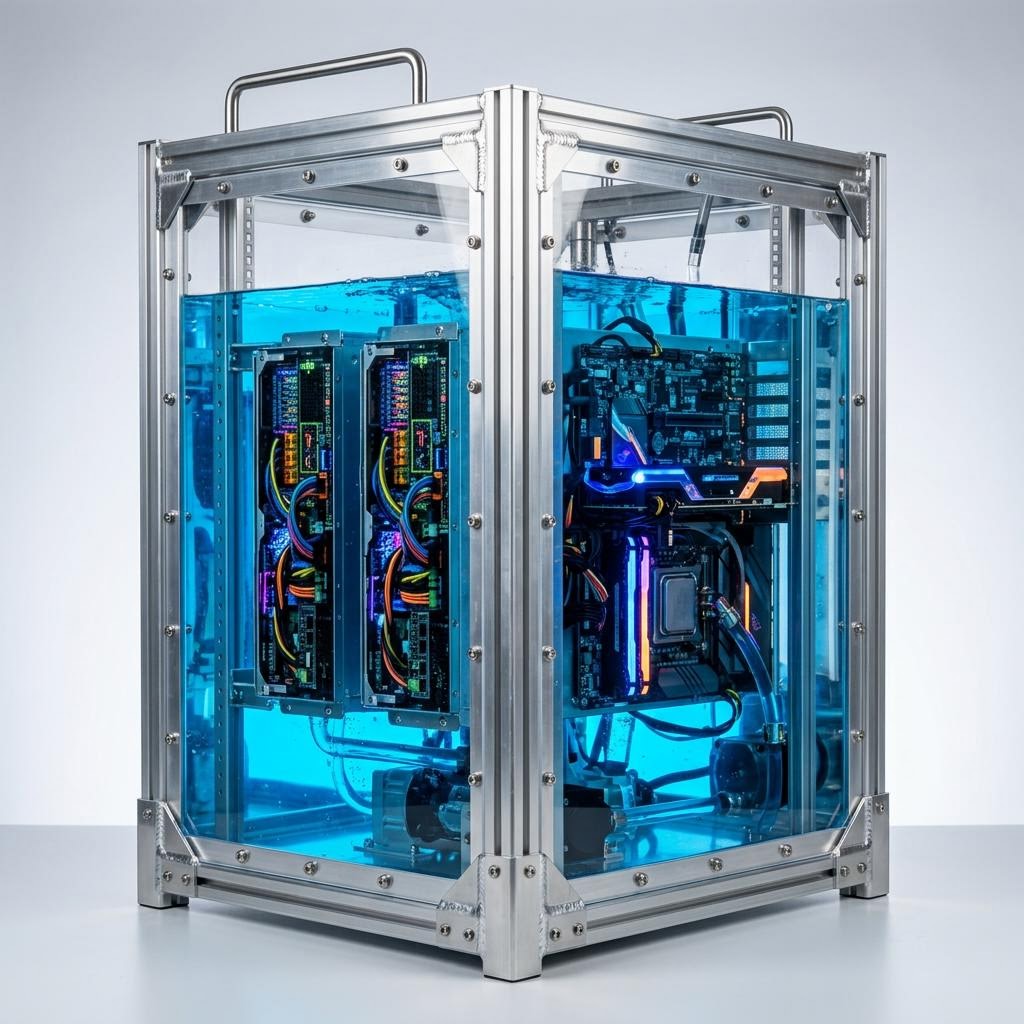
Immersion Tank Structure — Welded Aluminum Extrusion
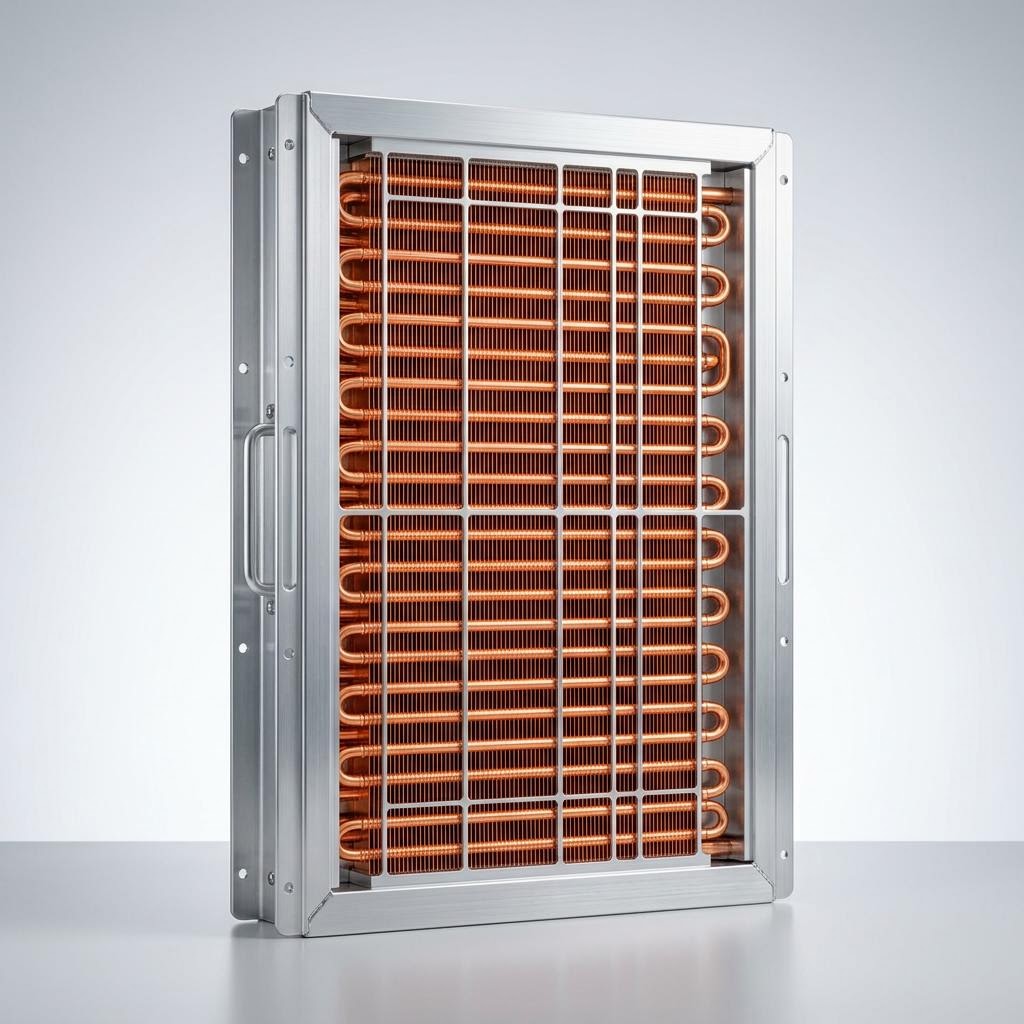
Rear-Door Heat Exchanger Frame
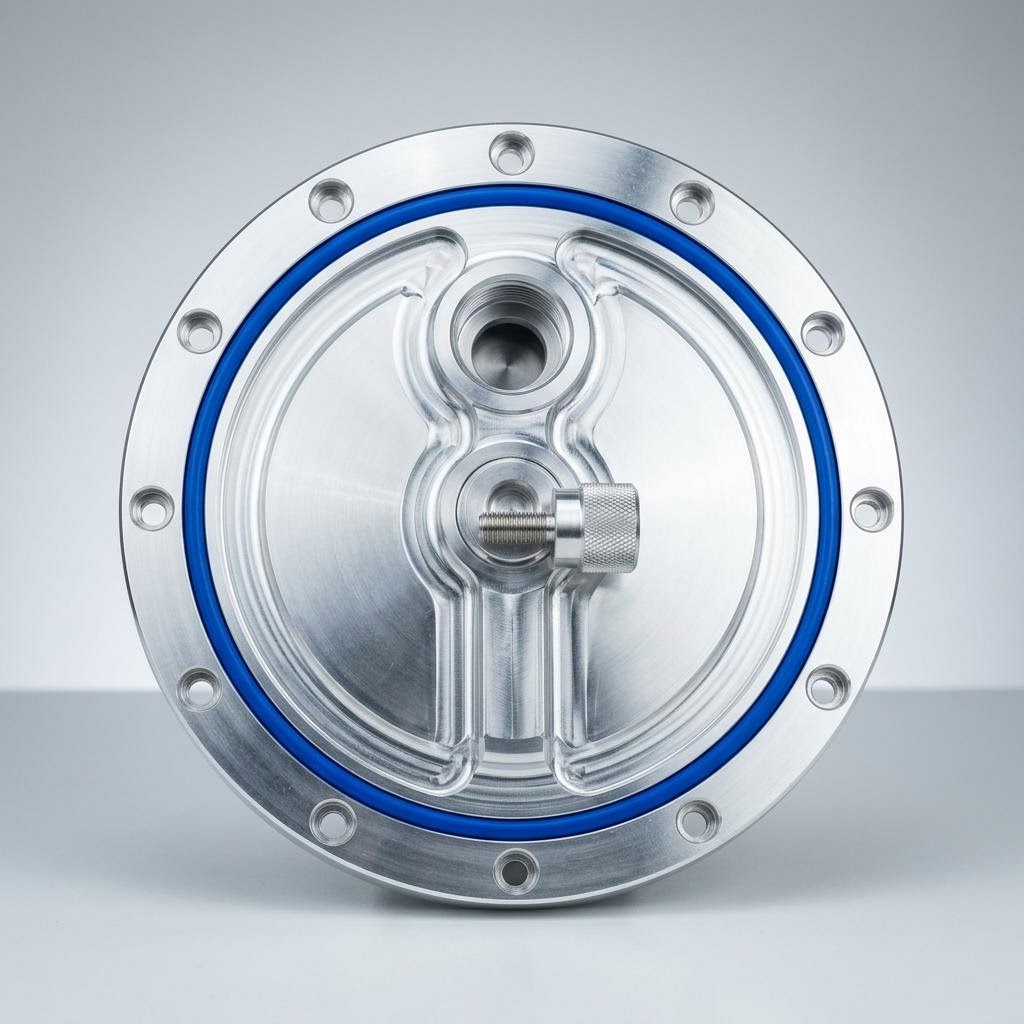
Tank Lid & Seal Frame — Machined
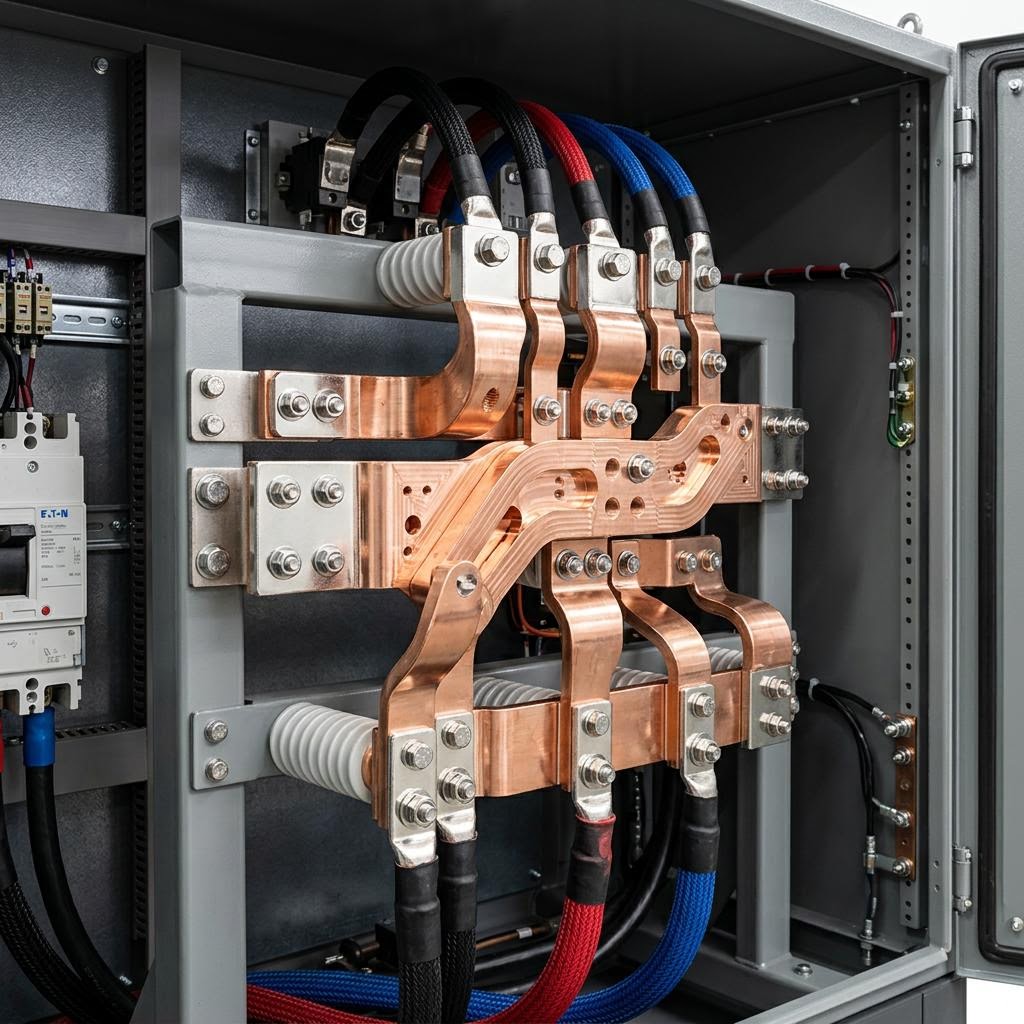
Internal Busbar Support — Machined Copper
Coil Header Assembly — Extruded + Machined
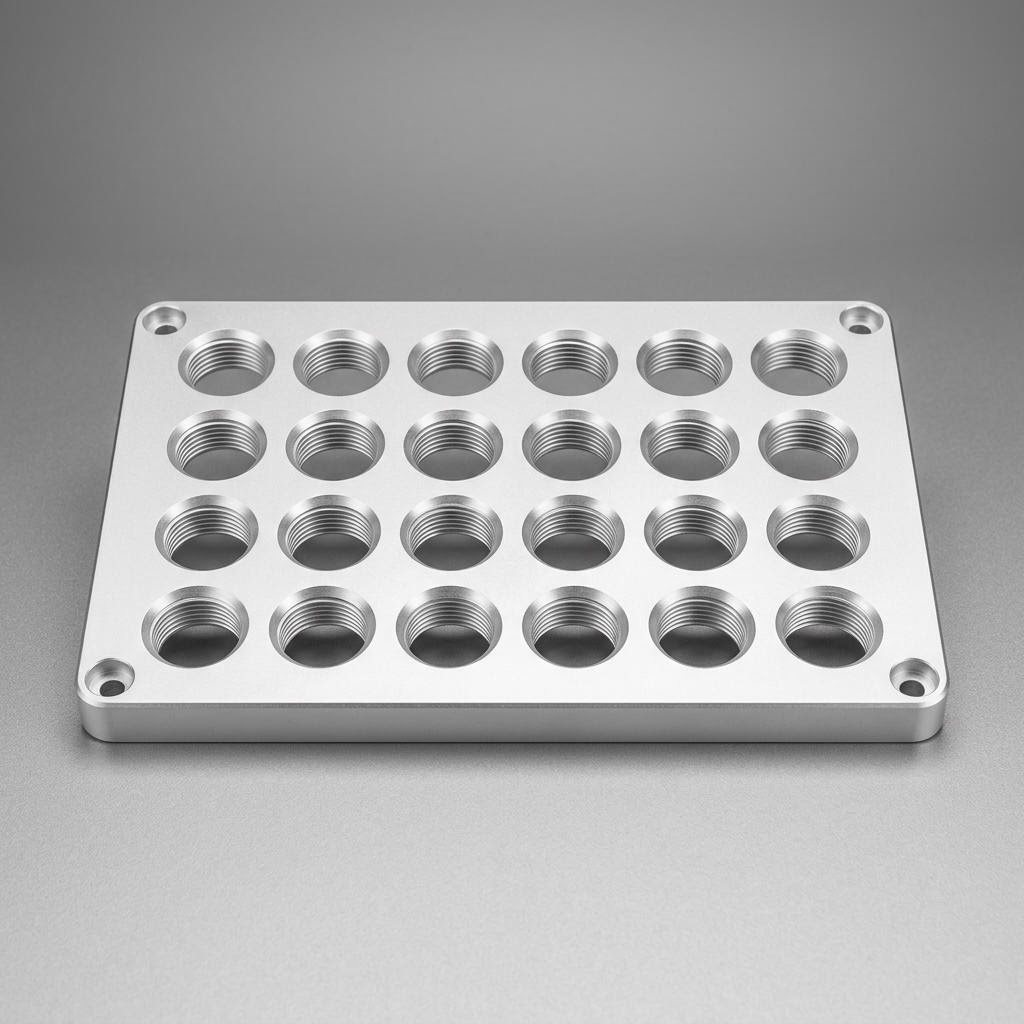
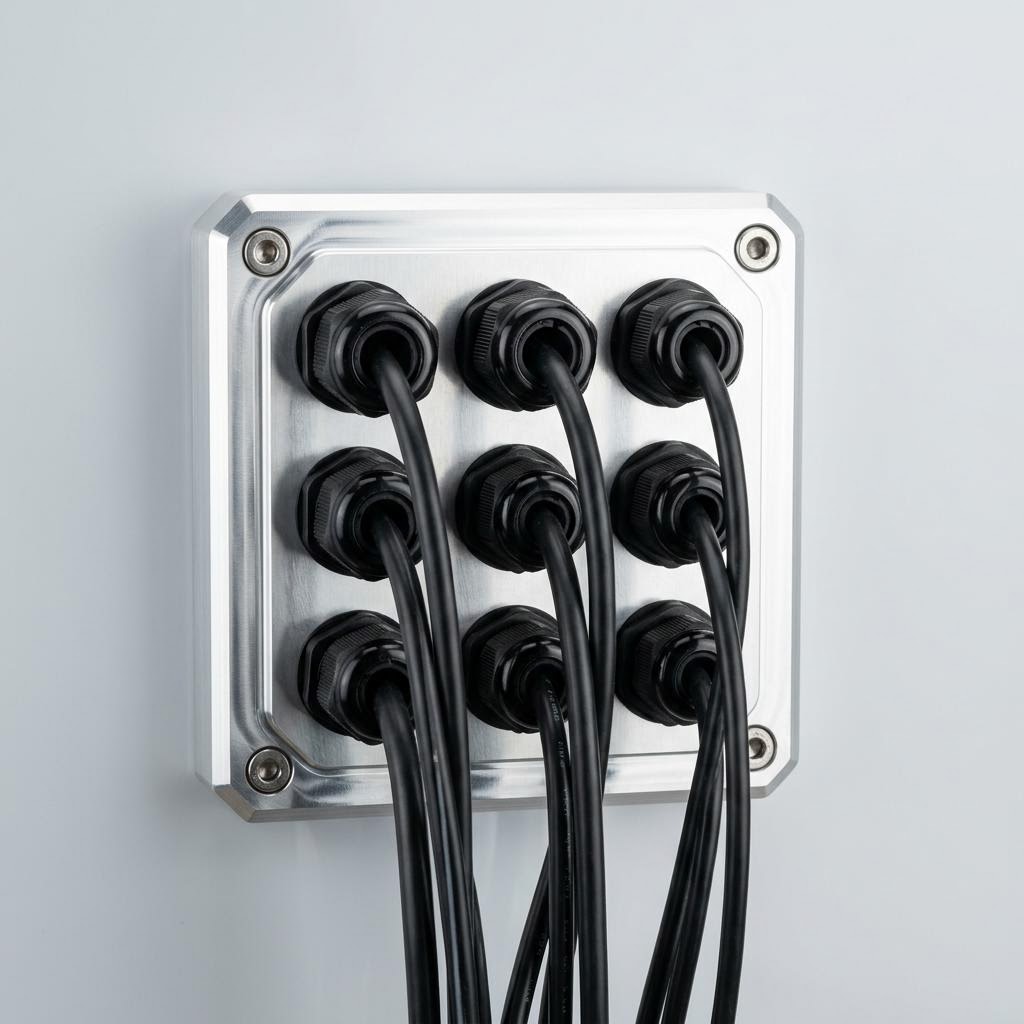
Sealed Cable Entry Plate — CNC Machined
Technical Claims
What Engineers Ask Us About Thermal Component Manufacturing
Five things decide whether a thermal component performs in the field. None is visible on a receiving dock. All five apply equally to a cold plate, a battery cooling plate and an IGBT heat sink base.
Call it out across the contact footprint, not as a general profile tolerance.
A part can be within profile tolerance and still leave a gap over the die. Specify flatness across the contact footprint as its own requirement, state where it is measured, and state whether it is verified on the first article or across the lot. Those three decisions determine whether the part performs — and all three are usually missing from the drawing.
Skived and brazed fins at the same pitch are not the same part.
A brazed or bonded fin stack introduces a thermal interface exactly where heat transfer matters most. Skiving cuts the fins from the solid base, so there is no joint. If the thermal model assumes no fin-to-base resistance, the drawing has to say skived — otherwise a supplier quoting a brazed stack will win on price and lose on performance.
“Clean” is not a specification.
Put the cleanliness class, the flush procedure and the verification method on the drawing, and state whether it is audited at source or on receipt. A burr in a flow channel is invisible from outside the part and carries particulate downstream into the narrowest passage in your loop. This is the failure mode most often found in service rather than at incoming.
Copper, aluminum and stainless in one loop form a galvanic cell.
Coolant is the electrolyte. Material pairings, inhibitor chemistry and plating specification have to agree with each other, and bare copper in a glycol loop oxidizes. Nickel plating is usually the answer — but “plated” without a thickness, a governing standard and a measurement location leaves the decision to the plater, who has no visibility of your service life requirement.
Test pressure, hold time, acceptance criteria — and 100% or sampled.
The cover-to-base joint is the only place in the assembly where failure is catastrophic rather than gradual. Specify the test pressure, the hold time and the acceptance criteria, and state whether every assembly is tested or a sample is. That last distinction is the whole point, and it is the one most often left off.
Skived Fin Detail
0.3 mm fins at 0.4 mm pitch — cut from the solid base, so there is no joint to resist heat flow.
Manufacturing Capabilities
Five Processes. One Partner.
ISO 9001:2015 Certified
IATF 16949 Quality Systems
NMSDC Minority-Owned
Columbus, OH + Monterrey, MX
20–55% Cost Savings
01
CNC Machining
Cold plate bodies, manifolds, headers, sealing faces, heat sink bases. Multi-axis in copper, aluminum and stainless with CMM verification at source.
Tight tolerance · Multi-axis · Copper & aluminum
02
Aluminum Extrusion
Heat sink profiles, framing, coolant headers, rack rails. High aspect ratio fin arrays with precision straightening.
Custom profiles · High aspect ratio · Thermal
03
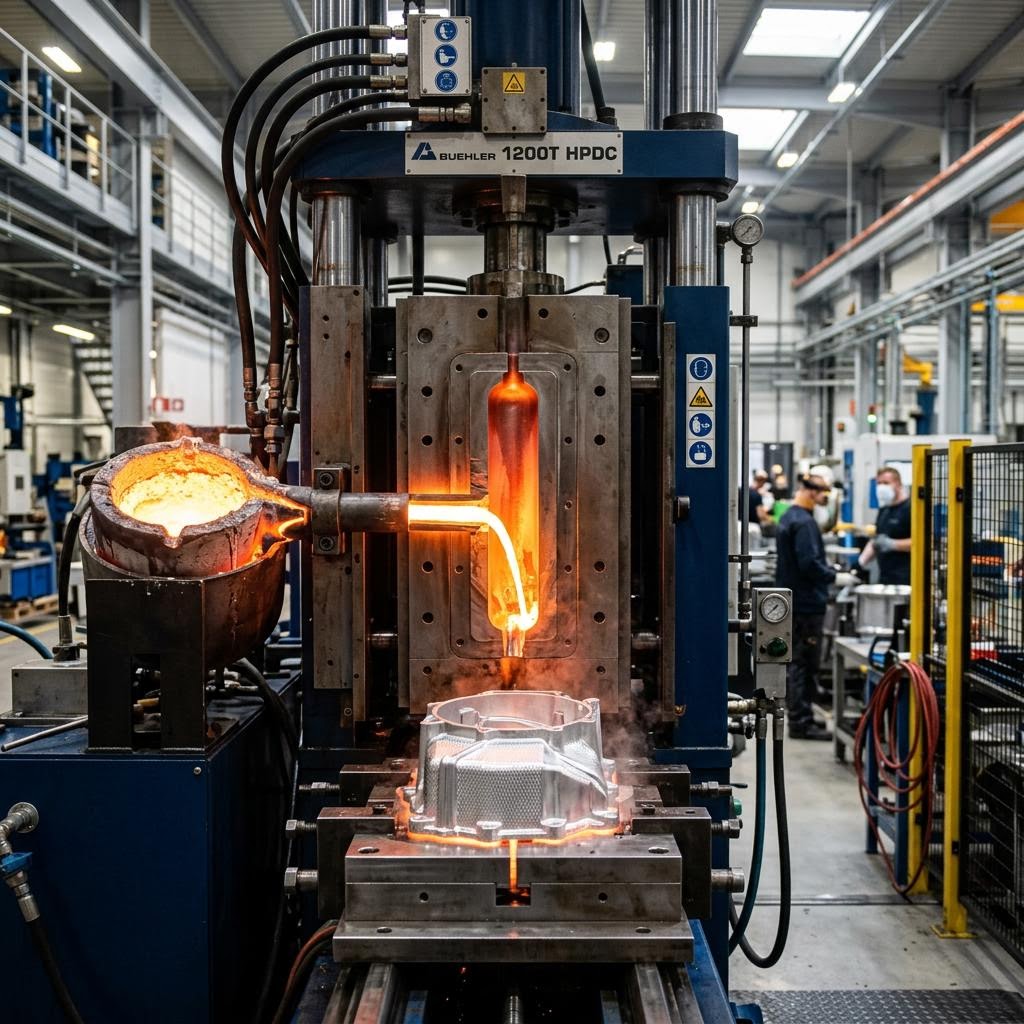
High-Pressure Die Casting
Fan housings, pump brackets, shrouds, battery cooling plates. 50 to 4,400 tons in aluminum and zinc.
Aluminum · Zinc · High-volume
04
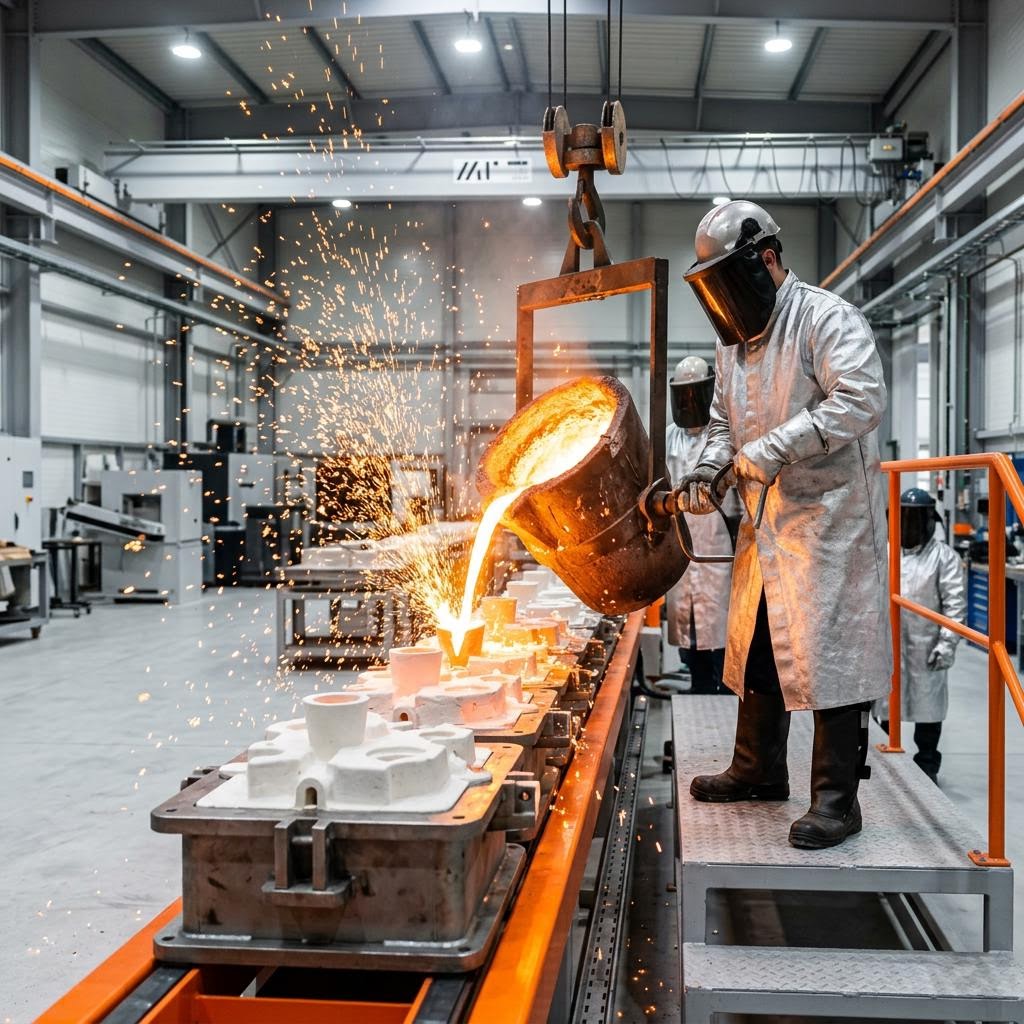
Investment Casting
Pump volutes, valve bodies, complex internal geometry near-net. 10 g to 50 kg, ±0.13 mm on the first 25 mm.
Complex geometry · Near-net-shape · Stainless
05
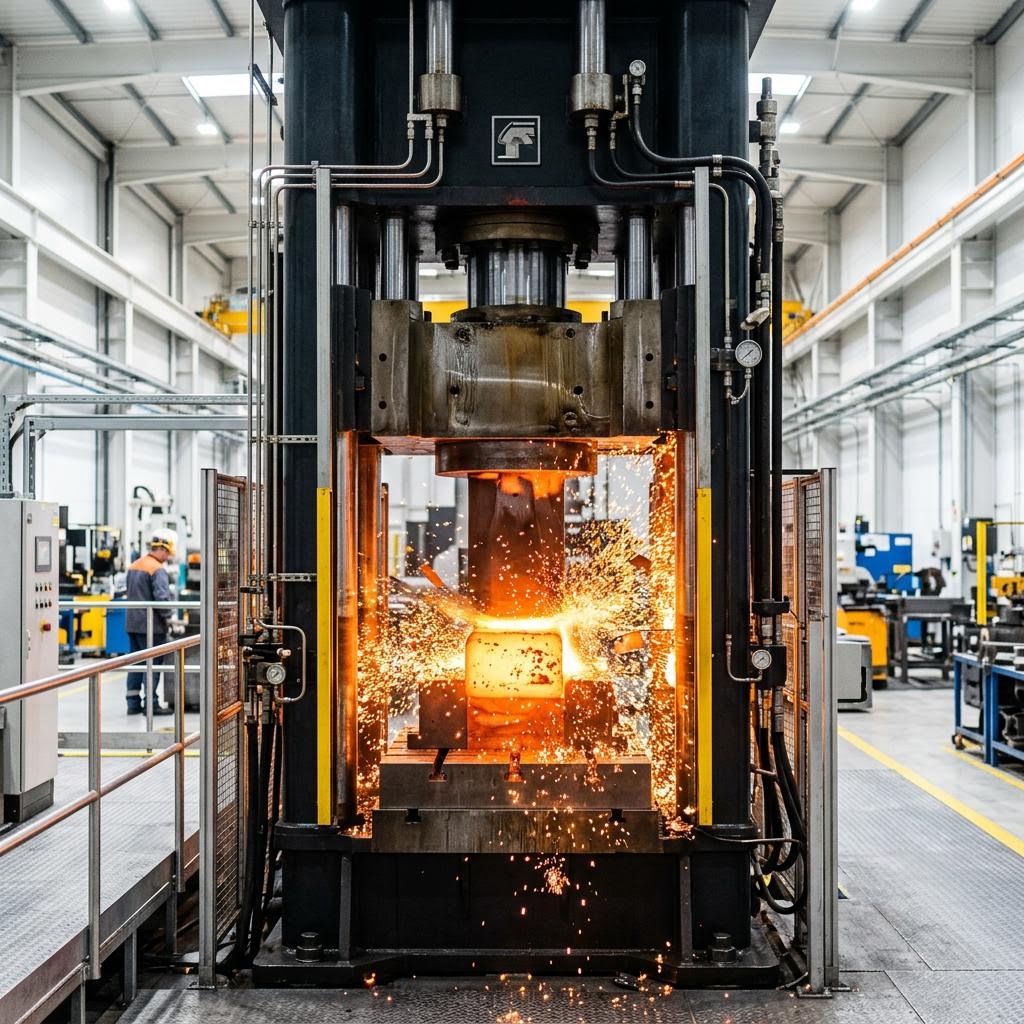
Forging
High-strength mounting and load-bearing hardware, certified per heat lot.
High-strength · Fatigue resistant · Critical parts
01
CNC Machining
Cold plate bodies, manifolds, headers, sealing faces, heat sink bases. Multi-axis in copper, aluminum and stainless with CMM verification at source.
Tight tolerance · Multi-axis · Copper & aluminum
02
Aluminum Extrusion
Heat sink profiles, framing, coolant headers, rack rails. High aspect ratio fin arrays with precision straightening.
Custom profiles · High aspect ratio · Thermal
03
High-Pressure Die Casting
Fan housings, pump brackets, shrouds, battery cooling plates. 50 to 4,400 tons in aluminum and zinc.
Aluminum · Zinc · High-volume
04
Investment Casting
Pump volutes, valve bodies, complex internal geometry near-net. 10 g to 50 kg, ±0.13 mm on the first 25 mm.
Complex geometry · Near-net-shape · Stainless
05
Forging
High-strength mounting and load-bearing hardware, certified per heat lot.
High-strength · Fatigue resistant · Critical parts
Proof in Production
Case Studies: Programs, problems, and how they were resolved.
A machined metal block mounted on a processor, with internal channels carrying coolant. Direct-to-chip plates are typically C11000 copper for its 388 W/m·K conductivity, with skived fin arrays and a brazed or welded cover forming the pressure boundary. Aluminum 6061-T6 where flux is lower or weight matters more.
Five stages. Heat rejection equipment such as chillers and dry coolers. A coolant distribution unit with pumps, heat exchanger, filtration and manifold. Vertical rack manifolds with quick disconnects. Server cold plates with covers and port fittings. Plus the enclosures, frames and brackets holding all of it. MES makes machined, cast or extruded components at every stage.
The contact face must sit flush against the die or lid. Any deviation leaves a gap the TIM has to fill, and TIM conducts far worse than copper. A plate out by a few hundredths passes dimensional inspection and still causes the processor to throttle. Specify flatness across the die footprint and verify across the lot.
Skiving peels thin fins directly from the solid base, leaving no joint between fin and plate. Brazed fin stacks introduce a thermal interface exactly where heat transfer matters most. Skiving supports fins a few tenths of a millimeter thick at tight pitch.
Yes — manifold bodies, distribution headers, valve and sensor bosses and enclosure structures in 6061-T6 aluminum and 316 stainless, plus investment cast pump volutes and housings. Pumps, heat exchanger plates and controls are sourced or OEM-supplied.
Copper conducts roughly twice as well and is the default on high-flux accelerators. Aluminum is a third of the density and materially cheaper, making it better on lower flux, weight-critical builds and large-area plates. Most platforms use both. MES machines both.
Duty on covered copper articles is now assessed on the full customs value of the part rather than its copper content. A cold plate carries substantial machining, brazing and testing value beyond the raw metal, so the dutiable base grew considerably. Origin routing and melt-and-pour documentation now materially affect landed cost.
Copper, aluminum and stainless with coolant as electrolyte is a galvanic cell. Material selection, inhibitor chemistry and plating have to be considered together. Nickel plating on copper is common practice in glycol loops, and the thickness and standard belong on the drawing.
Test after brazing or welding and before shipment. The cover-to-base joint is the only place in the assembly where failure is catastrophic rather than gradual. Test pressure, hold time and acceptance criteria belong on the drawing.
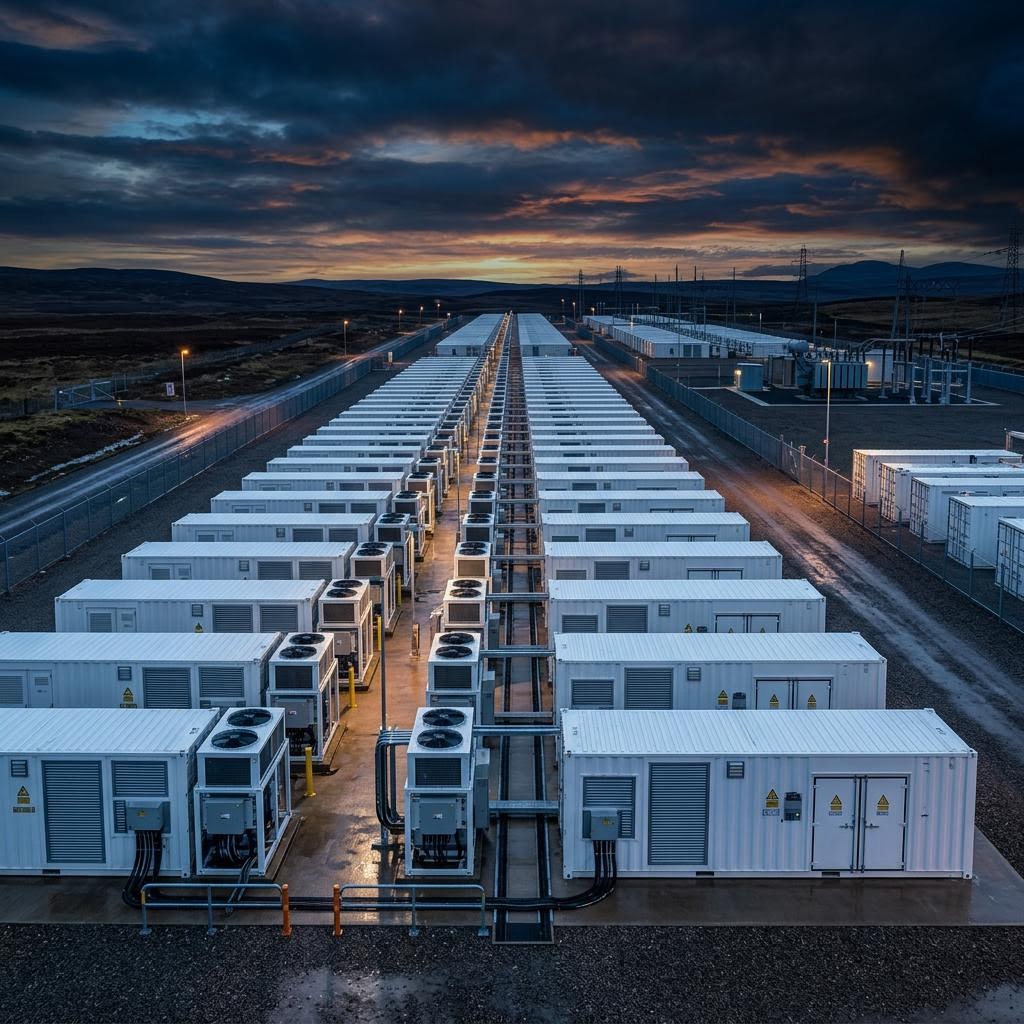
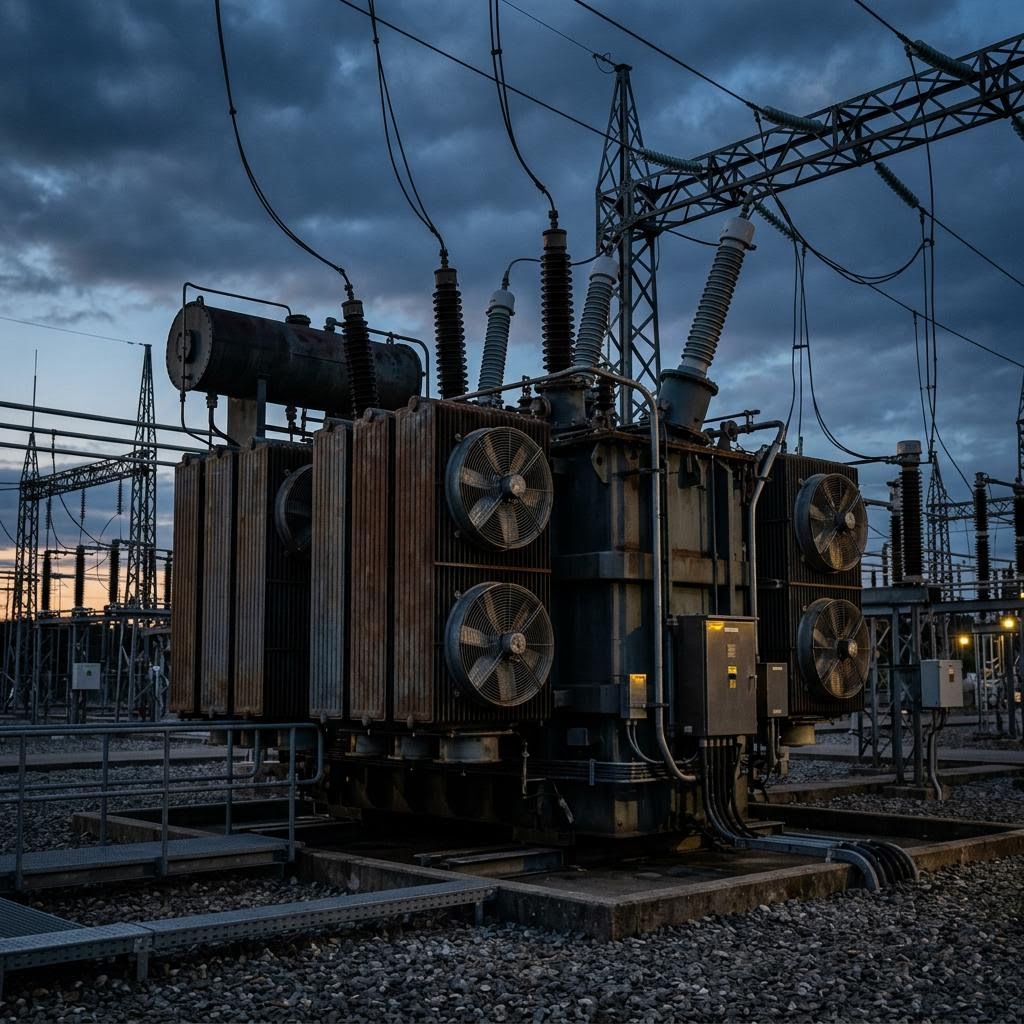
Yes. The same families appear in battery storage, where die cast and machined cooling plates are replacing air-cooled designs; in power conversion, where extruded and machined IGBT heat sink bases are the critical interface; in UPS; in transformers, where extruded radiator sections reject heat by convection; and in EV charging cabinets.
Same reason as on a processor. Uneven contact across a module produces uneven cell temperature, and uneven cell temperature produces uneven degradation over the life of the system. Specify flatness against the module face separately from the profile tolerance.
MES is headquartered in Columbus, Ohio with nearshore manufacturing in Monterrey, Mexico, supporting Buy American preferences and domestic-content requirements. ISO 9001:2015 certified since 2009 and NMSDC minority-certified.
Depends on tooling and fixturing — but our engineers review every drawing before a tool is cut, which is where most thermal component problems are created. Send one drawing and we will tell you what will hold as specified and what will not.
Let's Build the Thermal Layer Behind AI.
Scaling cold plate production, moving a battery thermal design from air to liquid, or defining a supply chain for a platform that does not exist yet — MES delivers the components and the supply chain to get there faster.